What stage is your STEM lesson?
Do you have constraints in your STEM lesson? Ex: Build a bridge at least 1 foot tall.
Is the challenge designed as an icebreaker for students to get to know each other?
Are students encouraged to communicate and use teamwork? Ex: Students work together to build the tallest tower using pipe cleaners.
Do students immediately build when they receive the materials?
Do you connect your challenge to a STEM career? Ex: Students learn about civil engineering before building a tower.
Is the STEM lesson completed in an hour or less?
Do students collect data during testing? Ex: Record the distance a balloon car travels.
Do students plan before building? Ex: Brainstorm 3 design ideas for your rubber band car rover.
Are students encouraged to use testing data to improve their prototype?
Are students connecting the challenge to a real world scenario? Ex: Design a rover to transport your rock sample on the Moon.
Are students actively reflecting on the experience? Ex: Students discuss as a class the differences in designs.
Is the challenge an open ended challenge? Example: Design a colony on Mars to keep humans alive and happy.
Is the challenge a long term project? Ex: Design an experiment and launch on a weather balloon.
Are students incorporating technology? Ex: Use coding to program a robot to complete a task.
Do students present their results or prototype? Ex: Students participate in a STEM fair or robotics competition.
Do student apply science concepts to improve their design? Ex: Students increase the surface area of a parachute.
Result: Your lesson is Stage 1 STEM!
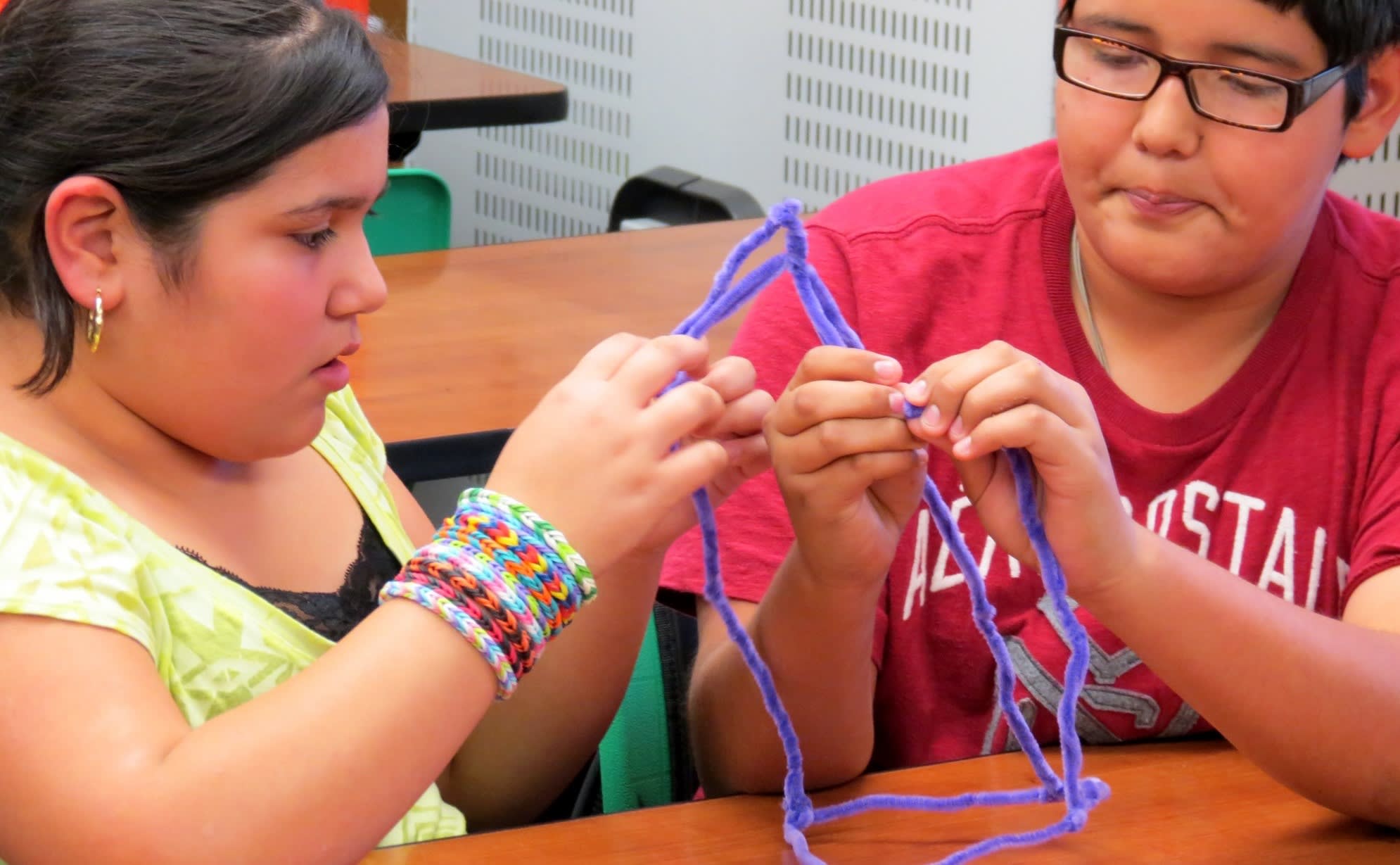
Like the tower challenge shown, stage 1 STEM challenges are the foundation to all of STEM. These challenges do not have an obvious connection to math and science concepts, but they are important primary activities that serve to build a foundation of skills in problem-solving, teamwork, communication, and grit.
Want to explore the other stages of STEM? Scroll down to learn more!
Result: Your lesson is Stage 2 STEM!
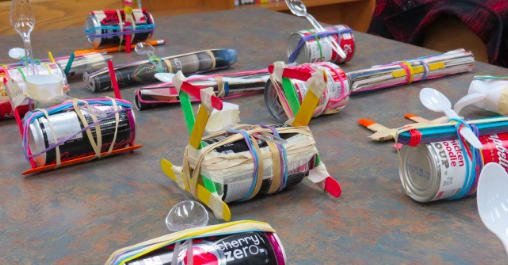
Like the catapult challenge shown, stage 2 STEM is when students apply math and science concepts to problems using the engineering design process. Instead of immediately building, students are systematically guided through a process of brainstorming, design, building, testing, re-design, and sharing their solutions.
Want to explore the other stages of STEM? Scroll down to learn more!
Result: Your lesson is Stage 3 STEM!
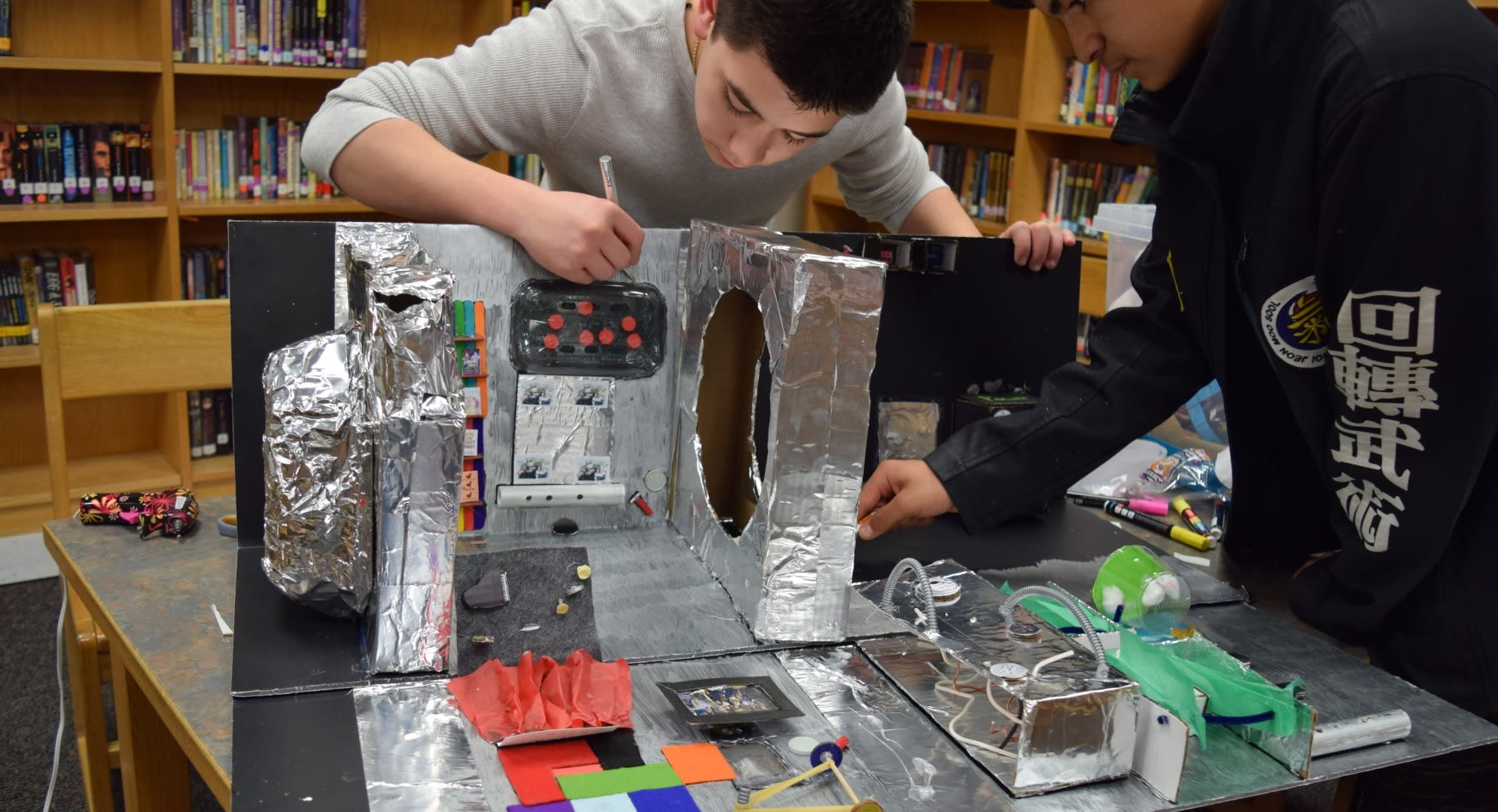
Like the Moon Base project shown, Stage 3 STEM involves diving deeply into a problem, rigorously applying the engineering design process, often learning new technology, and presenting results. Critical to success is prior experience with Stages 1 and 2 that build a foundation for these long-term and complex projects.
Want to explore the other stages of STEM? Scroll down to learn more!