Sport Parenting Style: Are you supporting or pressuring your athlete? Take our quiz ✍🏼
This takes three minutes. What you learn could change the way you parent through sports.
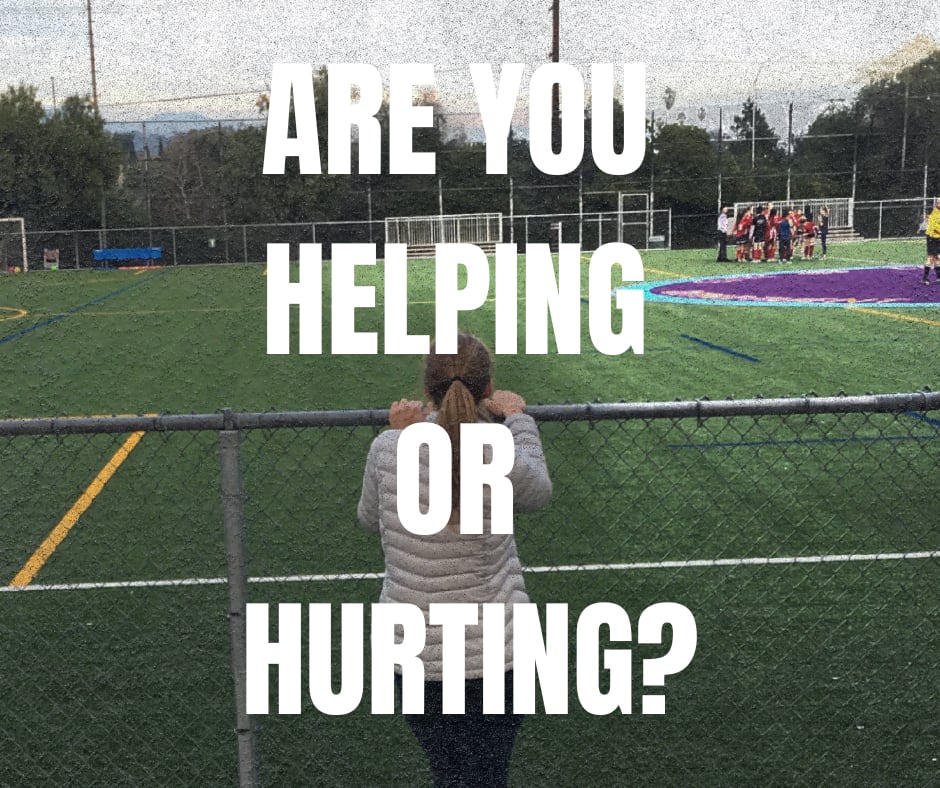
We’ve all been that parent at some point. (You know the one.) This quiz is your chance to pause and ask: Overall, am I supporting my kid—or stressing them out?
Your answers will help you figure out what kind of sports parent you are—and how to be the calm, confident presence your kid actually wants and needs on the sidelines.
How often have you done the following behaviors in the past sport season?
Been upset with your child after a practice or game?
Talked with your child about the most fun part of a game, practice, competition, or other sporting event?
Taken away certain privileges, withheld love or positive attention, or ignored your child because they performed poorly?
Asked your child about their goals and dreams related to their sport?
Threatened to reduce money or time investments in sport?
Prioritized a sporting event over a school, social, family, or personal event?
Rate your agreement with the following statements.
It's okay to establish time-outs or take away privileges when children don't perform well enough in sport.
I would unconditionally support my child if they decided that they no longer wanted to participate in sport.
Sports typically come before other extracurricular activities, and social events.
I get emotional and may even express anger if my child does not perform well enough or if something goes wrong in sport.
We should try to highlight the importance of having fun in sport to our children.
Please reflect on your experiences and select if the statement sounds like you or does not sound like you.
I am afraid that I come across as a reactive or overly intense sports parent.
I frequently ask my child about what they enjoyed and learned from sport events.
People often tell me that I am intense or overly invested in my child’s sports.
I try to verbally encourage and support my child and their teammates during practices and competitions.
Sometimes after a bad game or tough loss, I find myself needing space before I talk to my child.
Email Required For Results
Please input your email to receive your results on our quiz. Your information won't be sold to any third parties, and you will not receive spam.
It will automatically sign you up for our weekly Ilovetowatchyouplay newsletter.
Thank you!
Asia Mape - Founder ILTWYP
🎉 You’re a Supportive Sports Parent
You show up. You care. And most importantly—you know this is their journey, not yours. You’re involved in a healthy way: offering emotional, logistical, and even occasional performance support—but only when it’s asked for. Your investment comes from love, not ego.
You regularly check in with your child about their goals and adjust your support to meet their priorities—not the other way around. That’s powerful.
Because of this, your child likely finds joy in playing. They chase their own goals, not ones placed upon them. And they know they’re in the driver’s seat—with you as their steady support system.
👏 Well done, parents. This kind of environment allows kids to stay in sports longer and get more out of the experience—on and off the field.
Want to keep getting better?
We're always here to support you.
📞 [Email us here] to set up a personalized call.
📬 [Sign up for our newsletter] for tips and stories delivered weekly to your inbox.
📱 Follow us for more: [Instagram] | [Facebook] |
Visit ilovetowatchyouplay.com for hundreds of free articles on topics like:
burnout • tryouts • handling pressure • when to quit • raising confident girls • the college recruiting process • the car ride home • parenting through injury • how to talk to coaches • travel team dynamics • sideline politics • the emotional cost of youth sports • and more

😓 You Might Be Crossing the Line Into Pressure
Although your intentions are rooted in love and a desire to help your child succeed, your actions might be unintentionally falling short.
You may feel you’re doing what’s best—staying involved, offering feedback, tracking progress—but if the focus leans too heavily on outcomes instead of development, your child may begin to feel the weight of that pressure.
As they grow into their preteen and teenage years, they may start to push back—not just against you, but against the sport itself. When kids lose ownership over what they do, they often lose the joy. It stops being theirs and starts to feel like a job.
Here’s the hardest part: kids who feel pressure rarely say it out loud. They may not want to upset or disappoint you. They may not even have the words for what they’re feeling. But the signs are there—burnout, nagging injuries, a lack of motivation, strained connection, or the desire to quit entirely.
The Good News? You Can Reset.
With awareness and intention, you can shift your parenting approach—from pressure to support.
Spot the signs:
🔸 Subtle Pressure
-
Watching every practice
-
Filming every play
-
Coaching from the sidelines
-
Breaking down the game in the car ride home
-
Prioritizing sports over everything else
🔺 Overt Pressure
-
Criticizing performance
-
Offering rewards for results
-
Ignoring pain or pushing through injuries
-
Changing teams frequently or making life decisions around sports
-
Letting youth sports dominate your family’s identity
✅ Support
-
Smiling after wins and losses
-
Letting them lead their own journey
-
Talking less, listening more
-
Keeping your love and pride separate from performance
-
Allowing space for rest, change, and even quitting if that’s what they need
Want to take steps to improve your sport parenting behavior?
We can support you.
📞 [Email us here] to set up a personalized call.
📬 [Sign up for our newsletter] for tips and stories delivered weekly to your inbox.
📱 Follow us for more: [Instagram] | [Facebook] |
Visit ilovetowatchyouplay.com for hundreds of free articles on topics like:
burnout • tryouts • handling pressure • when to quit • raising confident girls • the college recruiting process • the car ride home • parenting through injury • how to talk to coaches • travel team dynamics • sideline politics • the emotional cost of youth sports • and more

You’re Walking the Line Between Support and Pressure
Sometimes you cheer them on. Sometimes you cross the line.
And you’re not alone.
Most sports parents live in this middle zone—supportive in many ways, but struggling to hold back when emotions run high or when dreams get wrapped in outcomes.
You may already know that pressure can hurt your child’s relationship with their sport. But in the moment, it can be hard to stop yourself—from saying too much, coaching too hard, or caring just a little too much.
The key isn’t guilt—it’s awareness.
Burnout. Anxiety. Withdrawing from you. Making excuses not to play. Overuse injuries. Avoiding the sport you once loved. When joy fades, kids either break down or check out.
The Good News? You Can Reset.
With awareness and intention, you can shift your parenting approach—from pressure to support.
Spot the signs:
🔸 Subtle Pressure
-
Watching every practice
-
Filming every game
-
Giving long post-game breakdowns
-
Knowing every opponent’s stats
-
Talking about their sport constantly
-
Prioritizing sports over family time
🔺 Overt Pressure
-
Yelling about performance
-
Bribing or manipulating effort
-
Pushing through injuries
-
Making big life changes for sport
-
Letting sports dictate your family’s identity
✅ Support Instead
-
Celebrating effort, not just results
-
Listening more than you talk
-
Keeping your love unconditional
-
Letting them lead the journey
-
Adjusting when they change paths
-
Making sure they know: they matter more than what they do
Want to take steps to improve your sport parenting behavior?
We can support you.
📞 [Email us here] to set up a personalized call.
📬 [Sign up for our newsletter] for tips and stories delivered weekly to your inbox.
📱 Follow us for more: [Instagram] | [Facebook] |
Visit ilovetowatchyouplay.com for hundreds of free articles on topics like:
burnout • tryouts • handling pressure • when to quit • raising confident girls • the college recruiting process • the car ride home • parenting through injury • how to talk to coaches • travel team dynamics • sideline politics • the emotional cost of youth sports • and more