
Could Australia Be the Right Career Move for You as a Hairdresser? ✂️
This short, scored self-assessment helps U.S.-based hairdressers evaluate whether working in Australia makes sense right now.
It looks at experience, finances, lifestyle fit, and readiness — highlighting strengths, gaps to close, and practical next steps.
Educational only. This is not legal or immigration advice.
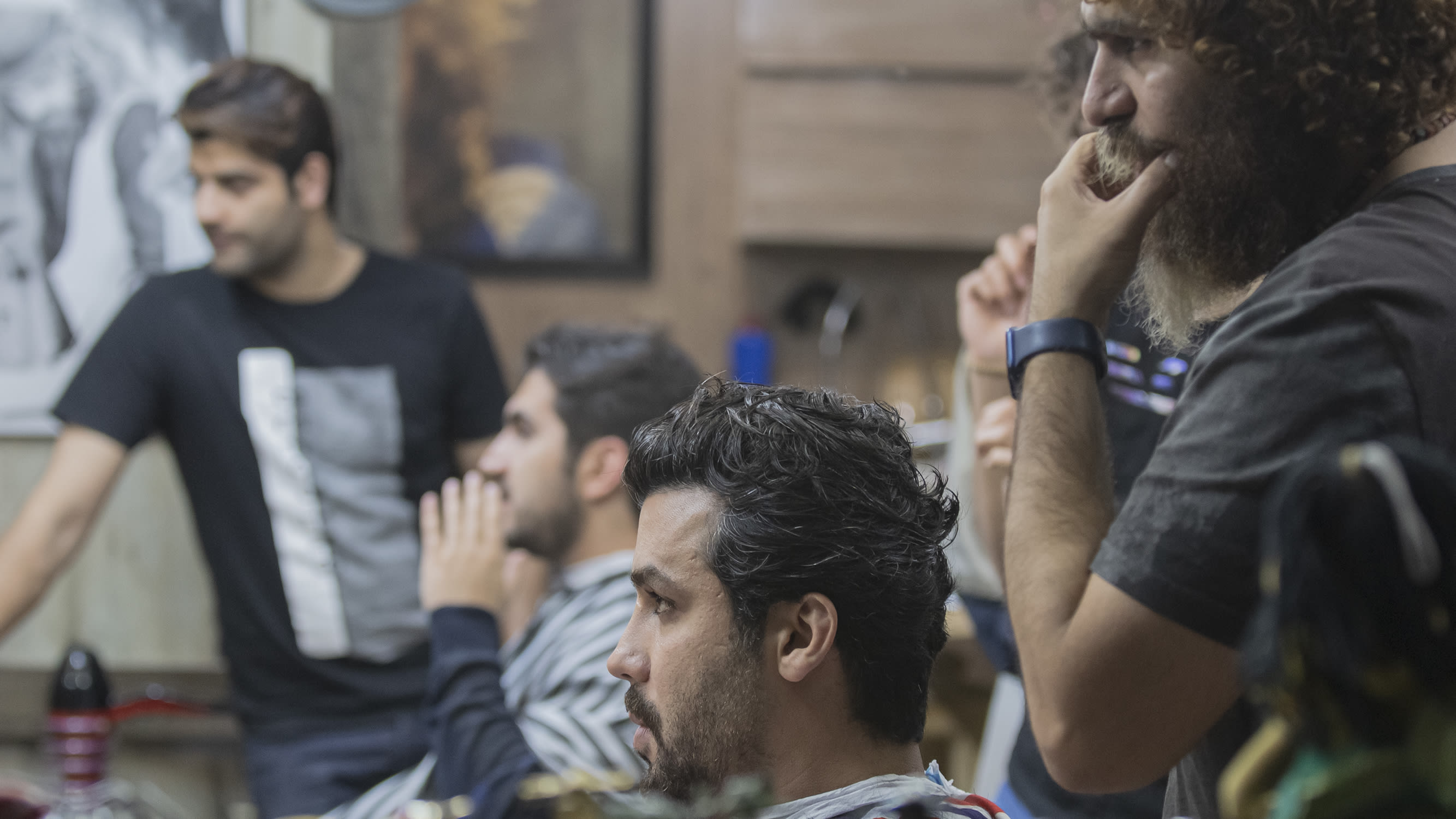
Which Age Range Best Describes You Right Now?
Age can influence which visa strategies are realistic and how quickly you can build your Australian work history. For many points-tested visas (like skilled independent visa or state nomination visas), applicants must be under 45 years old to be invited to apply, and being aged between 24–32 usually earns more points.
However being over 45 doesn’t automatically block every pathway, and instead may mean relying more on employer sponsorship or regional agreements rather than points alone. Many skilled pathways are most straightforward earlier, but hairdressers of many ages still make it work with the right plan, savings, and timing.
(Scoring weight: higher points for age ranges that tend to have fewer time constraints.)
Takeaway: Age under 45 earns more points for many skilled visas, and being over 45 makes points pathways harder — not impossible, just less direct.
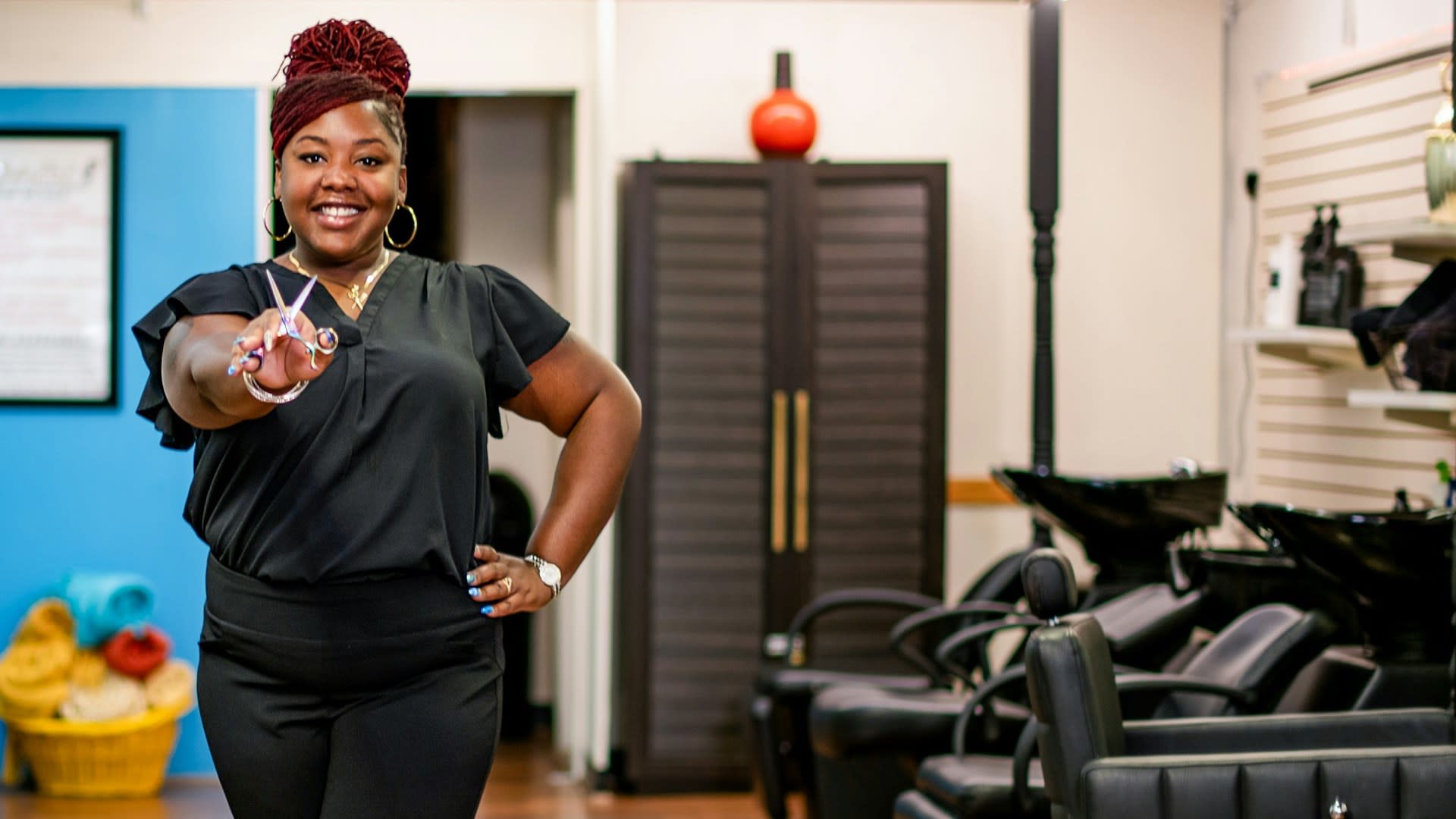
How Many Years of Paid, Hands-on Hairdressing Experience Do You Have?
Post-training/apprenticeship
To get a positive skills assessment from Trades Recognition Australia — which is required for most migration pathways — you generally need formal qualifications or at least three years of relevant work experience.
More experience can improve employability and visa points, but it can also raise your income/lifestyle expectations in a new market.
Many movers succeed with 3–10 years if they’re flexible and ready to learn local systems.
(Scoring weight: medium-high experience usually balances opportunity and adaptability.)

Which Best Describes How You Currently Earn and Work?
(Think: how you earn + how you handle structure)
Many Australian salon roles involve structured rosters, client booking systems, team standards, and consistent service processes. If you already thrive in salon systems (like a busy U.S. salon floor with front-desk booking), you may adapt faster.
Freelancers and mobile stylists can still succeed, but may need to adapt to different workplace norms and ramp up local client bases.
(Scoring weight: salon-structure readiness tends to translate well.)

What Feels like a Realistic Income Range for Your First 6–12 months in Australia?
(Realistic transition period)
Even experienced stylists may face a ramp-up period as you learn pricing structures, tipping norms (where applicable), product retail expectations, and client acquisition in a new market. Knowing this ahead of time reduces stress and helps with budgeting and job planning.
(Scoring weight: realism strongly predicts a smoother move.)
Certification & Skills Portability: Which Statement Best Fits you Today?
Australia usually requires a positive skills assessment from TRA for hairdressers, and that means gathering proof of qualifications, hours worked, employment history, and competency—sometimes via formal skills assessments. Being organized and ready for this critical step is a major readiness signal.
(Scoring weight: documentation readiness + flexibility matters.)

What’s Pulling You Toward Australia Most?
Lifestyle Goal Check
Australia can offer incredible lifestyle options—from big city vibes, Melbourne laneways and café culture to Sydney’s beaches to Brisbane’s subtropical energy—but the best outcomes come from people who balance their personal goals with local job markets, visa realities (like regional sponsorship), and how they’ll earn while building local seniority.
(Scoring weight: clear goals + flexibility.)

Financial Readiness:
If you had to cover setup costs (flights, short-term housing, bonding, transport, licensing/assessment fees), where are you?
International moves are easier with a cushion for deposits, temporary accommodation, visa and assessment costs. Even if you plan to work quickly, having a cushion helps you focus on job quality rather than scrambling for the first paycheck. Financial readiness doesn’t mean you must be wealthy—it means you have a plan and a buffer.
(Scoring weight: high—money planning reduces risk.)

Career Flexibility
Where would you realistically be willing to work first when you arrive in Australia?
Flexibility expands your options—especially when you’re new to a country and building local references. Think faster employment and stronger local references, which matter for long-term career success and visa pathways.
Many stylists find work sooner when they’re open to a wider range of salon types or locations — including regional salons with sponsorship opportunities. You can also start in a solid, reputable salon, learn the market, and then choose a niche or location with more leverage.
(Scoring weight: high—flexibility often equals faster employment.)

Your results are almost ready...
Before revealing your results, we'd love to send you personalized Australia tips, updates, and special offers. Please submit your email to receive these valuable insights.
You can unsubscribe at any time.

You got {number correct}/{number of questions} correct answers.
This isn’t a “no” — it’s a “not yet.”
Your results suggest that moving to Australia right now could create avoidable stress, especially around finances, documentation, or income expectations.
What to do next:
Follow OpportunityDownUnder.com to stay informed about future options and use this result as a roadmap for what to strengthen:
Build a larger savings buffer
Organize proof of hours and employment
Research realistic Australian salon pay and work norms
Thanks again for completing the quiz,

🤔 You got {number correct}/{number of questions} correct answers.
Moderate Readiness
You have real potential, but success will depend on tightening the plan — especially around credentials, budgeting, and earnings expectations.
Why this matters:
Australia can be a great move for hairdressers, but gaps in preparation often show up after arrival, not before.
Recommended next step:
Get the 'Shear Brilliance' Hairdressing Playbook to give you a clear, practical breakdown of:
Visa pathways
What salon work actually looks like in Australia
Realistic income and cost-of-living expectations
🎁 As a thank you for doing the quiz, enter QUIZ at the checkout for 10% off.
Use the playbook to close the gaps before committing.
Thanks again for completing the quiz,

✅ You got {number correct}/{number of questions} correct answers.
High Readiness (6–8 / 8)
You’re in a strong position! Based on your answers, Australia could be a realistic and rewarding next step, if you move forward with a plan.
Why you’re well positioned:
Your experience, adaptability, and expectations are broadly aligned with what Australian salons and employers look for.
Next step:
Get the 'Shear Brilliance' Hairdressing Playbook for a clear guide to:
Earnings, taxes, and business models
Visa and eligibility pathways
Where to live
-
Day-to-day salon life in Australia
🎁 As a thank you for doing the quiz, enter QUIZ at the checkout for 10% off.
The move can be incredible, but it works best when you stay flexible, well-documented, and financially prepared.
Thanks again for completing the quiz,