What’s your health IQ?
Take our quiz and test your knowledge!

Being active throughout the week can help you manage your weight, prevent diseases and increase your overall well-being. According to the Physical Activity Guidelines for Americans, how much physical activity per week is recommended for adults?

Correct answer: At least 150 minutes of moderate intensity.
Move more, sit less! If you’re just starting out, begin with lower-intensity exercises and increase your physical activity gradually over time. Moderate-intensity exercise includes:
· Ballroom or line dancing
· Biking on level ground
· Brisk walking
· Raking leaves
· Water aerobics
Which of the following is not a benefit of physical activity?

Correct answer: Increased LDL or “bad” cholesterol
Regular physical activity improves overall health and reduces the risk of many health problems. Scientific evidence supports it!
Whole grains provide more fiber than refined grains and can help you maintain a healthy weight while lowering your risk of chronic illnesses like diabetes, heart disease and some cancers. According to the MyPlate model, what percentage of your daily grains should be whole grains?
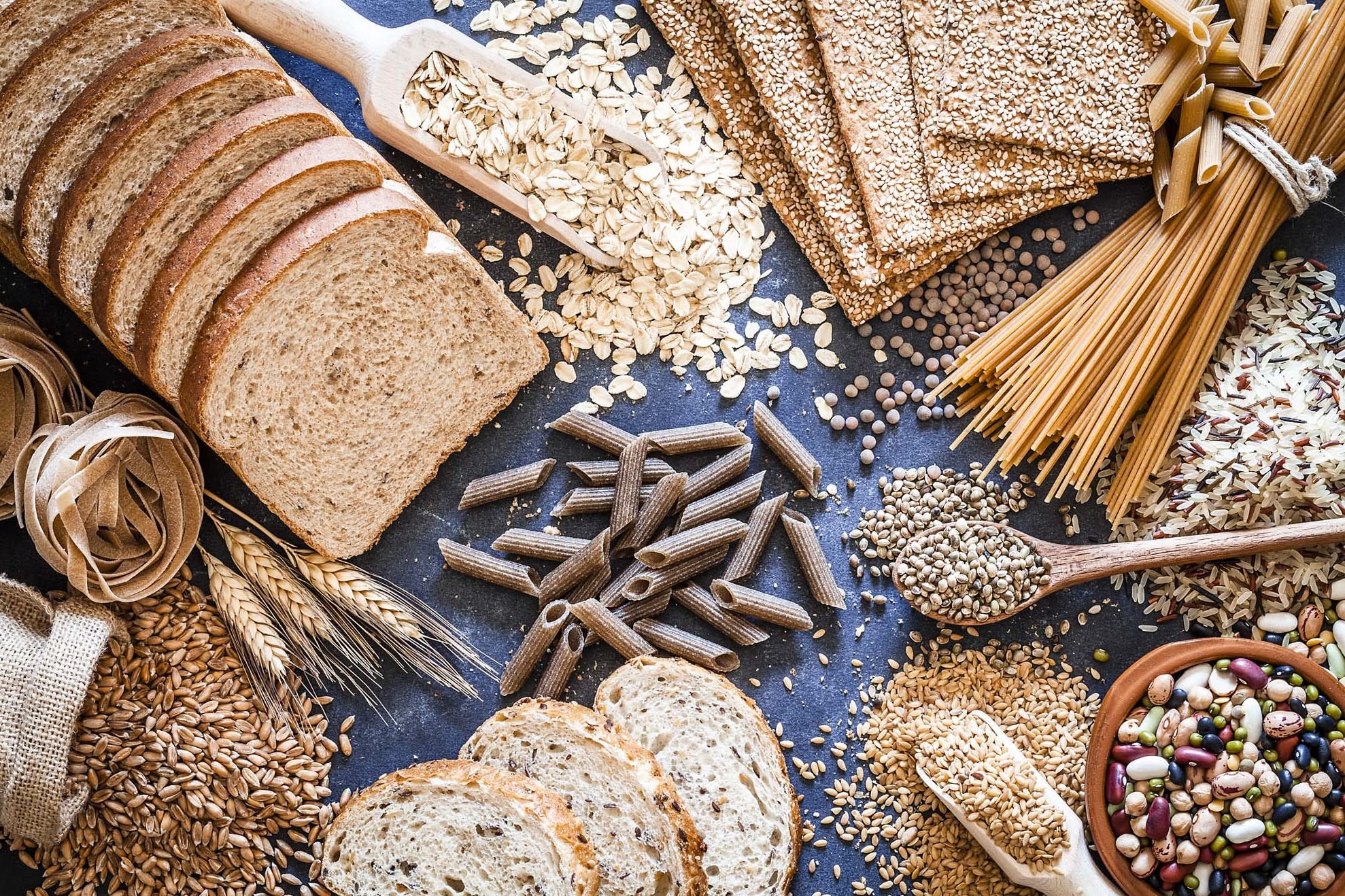
Correct answer: 50%
Make half your grains whole by choosing more whole wheat bread, pasta, tortillas, brown rice, oatmeal and quinoa. To tell if your bread contains mostly whole grains, look at the ingredient list. "Whole grain" should be a part of the first ingredient, such as "whole wheat flour," "whole grain rye flour" or "whole grain pumpernickel flour." You can also check for the whole grain seal on the package.
True or false: Most Americans get enough protein in their diets.
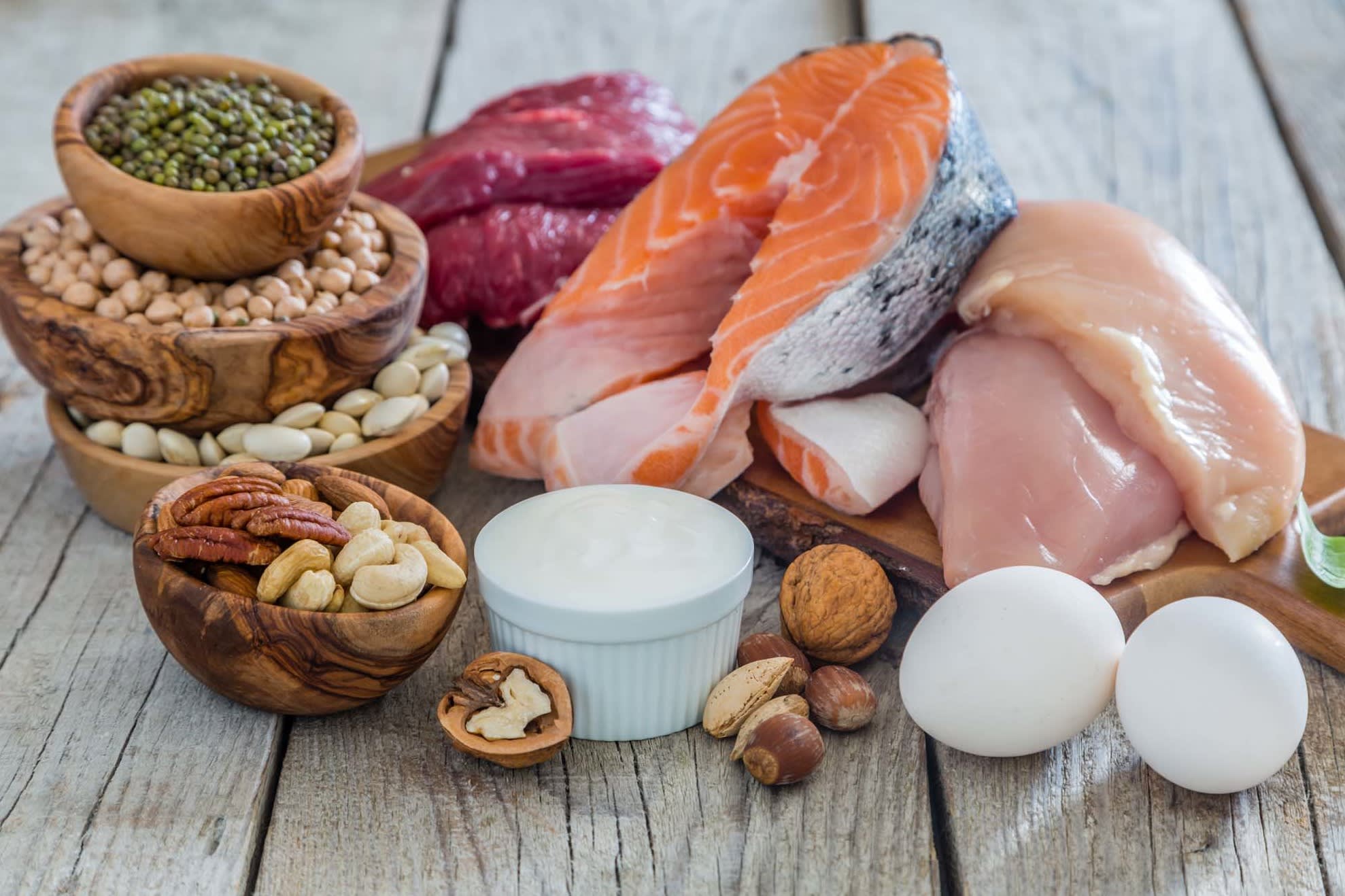
Correct answer: True
Most Americans do get enough protein in their diets. However, many may need to incorporate leaner and more varied proteins into their daily diet, such as chicken, fish, turkey, eggs, low fat dairy, beans, lentils and tofu.
True or false: Fat is bad for you and you should cut all fat from your diet.
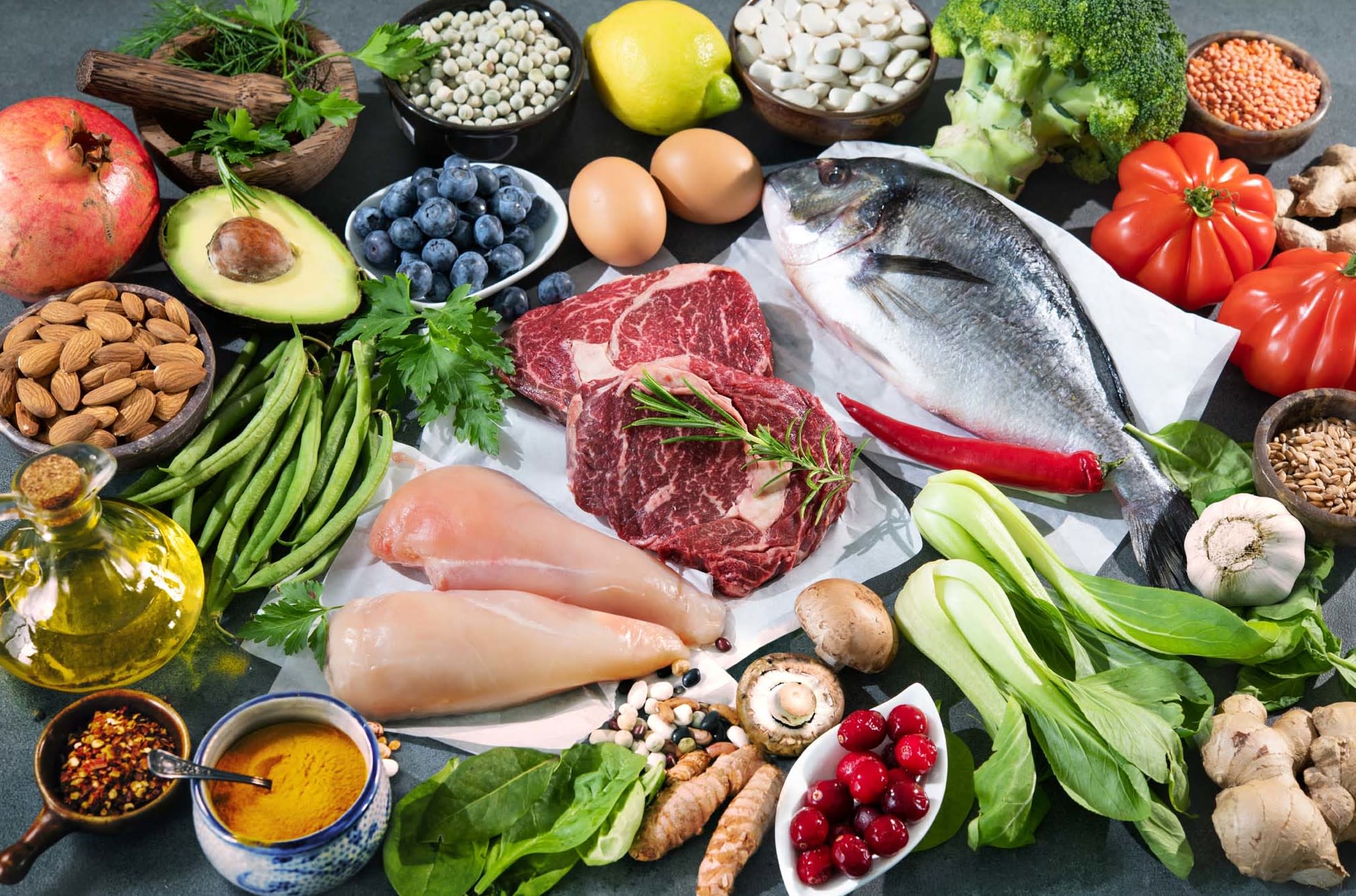
Correct answer: False
Fat is one of the three main nutrients in food that supplies energy, but it has twice as many calories as protein and carbohydrates. We recommend that less than 30 percent of your total calories come from fat with a balance of monounsaturated, polyunsaturated and saturated/trans fat.
Remember, not all fats are created equal — choose unsaturated fats most often. These include:
Monounsaturated fats – These are the healthiest type of fat. Best sources include olives, peanut butter, almonds, avocados, olive oil, canola, sesame and peanut oil.
Polyunsaturated fats – These are also a healthy type of fat. Best sources include fish, seeds, ground flaxseed, walnuts and vegetable oils such as soybean and corn oil.
Choose less of these fats:
Saturated fats – These are solid at room temperature and generally animal-based. They include red meat like beef and pork, visible fat on meat, whole milk and cheese, cream and butter. Plant sources include cocoa butter, coconut oil and palm oil.
Trans fats – These are hydrogenated fats in processed foods. They include deep-fried foods, snack food, cookies, pastries and desserts.
If you’re following a 2,000-calorie meal plan, your daily added sugar consumption should be no more than 200 calories, or 10% of your daily calories. “Added sugar” means:

Correct answer: Sugars or other sweeteners added to foods and drinks
Added sugars include sugar and any other sweeteners added during processing or packaging. Other names to look for are:
· Barley malt
· Brown sugar
· Corn sweetener
· Corn syrup
· Dextrose
· Fruit juice concentrate
· Glucose
· High fructose corn syrup
· Honey
· Invert sugar
· Malt syrup
· Maltose
· Maple syrup
· Molasses
· Rice syrup
· Sucrose
· Turbinado sugar
Which small change can improve your health long-term?

Correct answer: Adding at least 10 minutes of exercise and eating at least 1 vegetable daily
Any small change can have a positive effect on your health. Small behavioral changes are more realistic and easier to achieve and maintain. Going on radical diets that omit entire food groups or starting exercises that you’re not in shape for can be discouraging.
We often have roadblocks to making behavior changes. A good solution for the common roadblock of “I don’t have time for healthy eating or exercise” is:

Correct answer: Walking around the ball field a few times while your child is playing a team sport
Getting creative to eat healthier and be more active when you’re busy is part of making your health a priority! Some ways to start out can include:
· Set aside one grocery shopping day a week and make healthy meals that you can freeze and eat later.
· Eat regular meals to prevent extreme hunger. Keep fruit on hand as a snack if meals are delayed.
· Take the stairs instead of elevators. Commit to just a 10-minute walk on a work break on hectic days.
Healthy eating and regular physical activity can help prevent and manage all the following except:
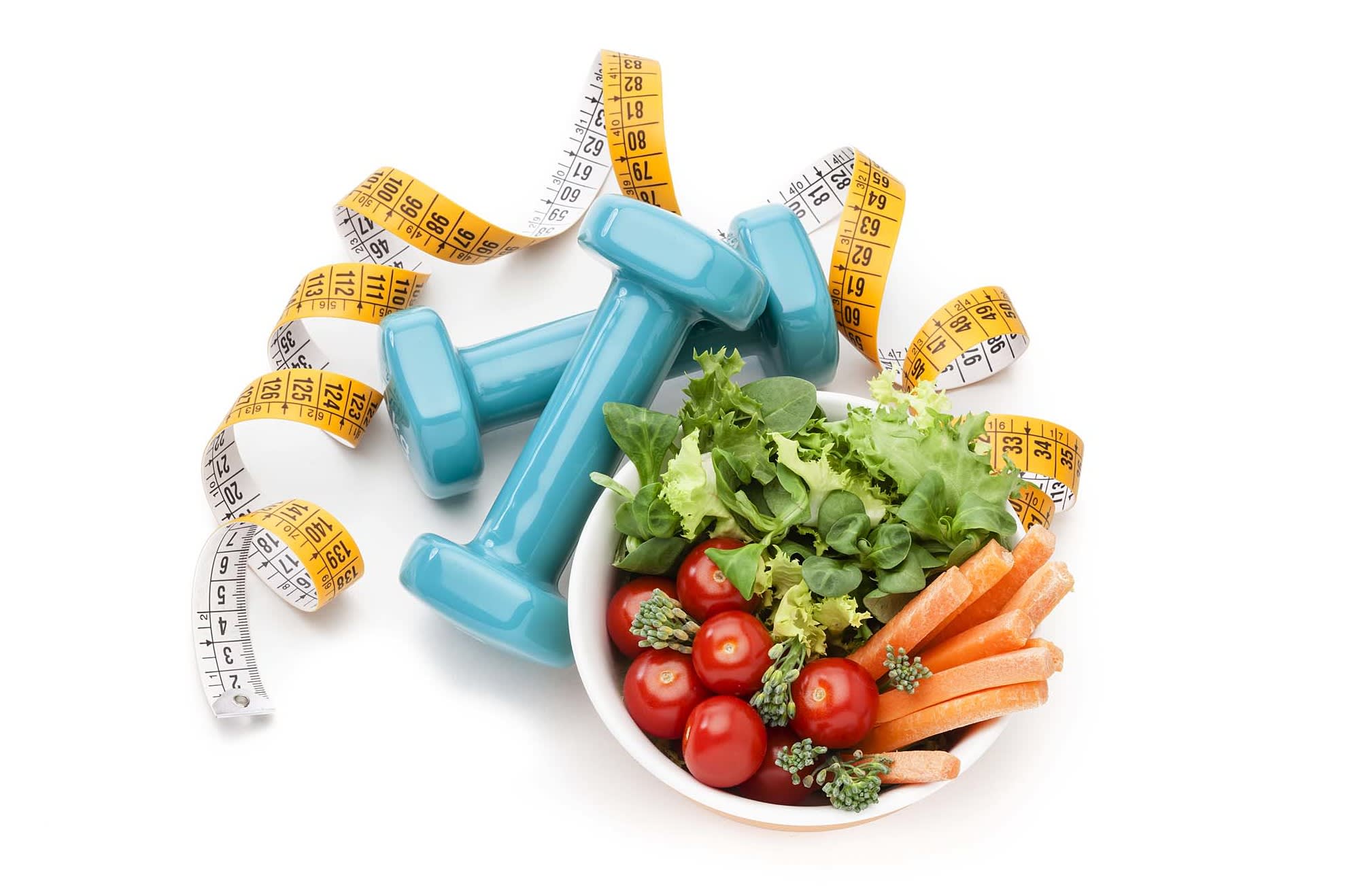
Correct answer: Thyroid problems
Eating right and exercising not only help you manage diseases and conditions but also improve your mental and emotional health. Other benefits include controlling your weight, improving mood and boosting energy.
Which diet is showing promise for improving gut health?
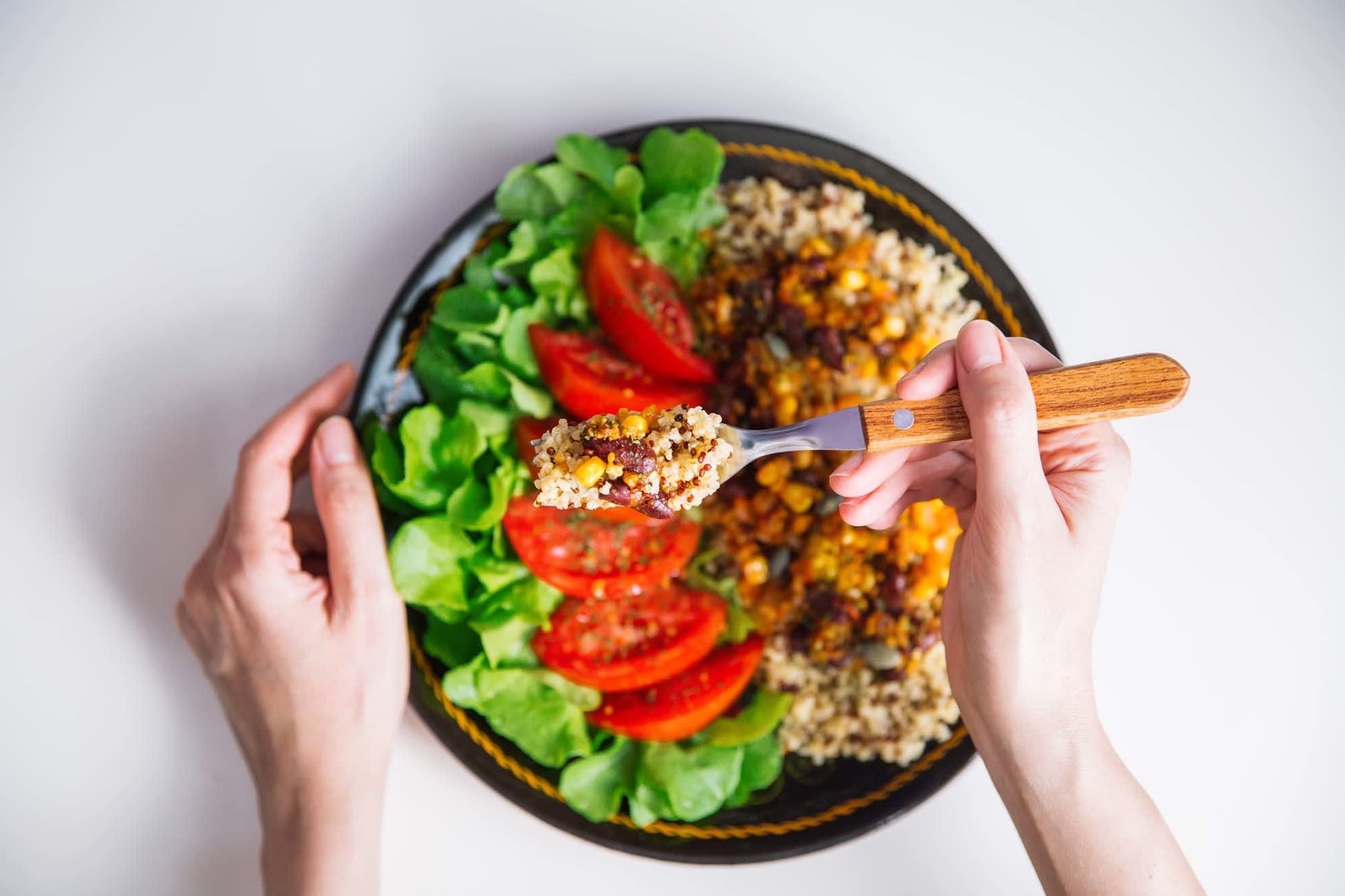
Correct answer: Plant-based diet
Plant-based diets encourage growth of beneficial bacteria that help maintain the integrity of the gut wall. But “plant-based” does not mean “plant-only.” Making gradual changes to your diet can help reshape your gut health. Start by:
- Eating a vegetarian meal at least one day a week
- Decreasing meat in soup, chili, stew and casseroles and adding more vegetables
- Converting dishes like lasagna, spaghetti and tacos to meatless versions
- Trying recipes with beans and lentils as the main protein
- Enjoying fruit as your dessert, like a baked apple