What’s Your Healing Space Personality?
Your home isn’t just where you live, it reflects and influences your inner world. This quiz is designed to help you explore how your personality, habits, and emotions connect with the spaces you inhabit. By the end, you’ll gain insights into what kinds of environments may best support your sense of balance, focus, and well-being.
Before You Begin:
Your responses to the Mindful Dwellings quiz are completely confidential. The information you provide will only be used to help you understand your personal relationship with your environment and how it may impact your mental well-being. No answers or results will be shared, stored, or used for any other purpose. Please answer honestly and thoughtfully.
Disclaimer: This quiz is for personal reflection and educational purposes only. It is not a diagnostic tool and should not replace professional psychological, medical, or design advice. If you have concerns about your mental health, please consult a qualified professional.
When you feel a small physical discomfort, how do you usually react?

In your home, how important is it that spaces feel clean and hygienic?

How often do you seek reassurance from others about your health?

How much energy do you typically feel in your daily life?

Which type of environment feels most supportive?

How often do you feel a lack of motivation to start tasks?

How do you usually respond when you feel stressed?

Which type of décor feels best to you?

How often do you seek attention or reassurance from others when upset?

How do you feel about rules and traditions?

Which home style feels most appealing to you?

How often do you feel restless or bored with routine?

How comfortable do you feel when someone is behind you in a room?

What type of neighborhood makes you feel most at ease?

How often do you question other people’s motives?

How often do you struggle with racing thoughts or overthinking?

Which type of space feels most calming?
When faced with a decision, how do you usually respond?

How often do you feel disconnected from your surroundings?

Which space makes you feel most comfortable?

How do you respond to overstimulating environments?

How would you describe your typical energy level?

What type of home design energizes you most?

How often do you start projects on a sudden impulse?

How do you feel at large social gatherings?

Which type of home feels safest to you?

How often do you seek time alone to recharge?

Hypochondriasis and Home Design
Your quiz results indicate Hypochondriasis as a prominent trait. In psychological terms, this scale is often associated with heightened concern for one’s health, a strong sensitivity to physical sensations, and a desire for reassurance through clarity and control in the environment. While this does not mean you have a disorder, it does suggest you may lean toward environments that reduce anxiety and promote a sense of cleanliness, safety, and order.
When it comes to home design, people with tendencies toward hypochondriasis often thrive in modern or contemporary spaces. These styles emphasize simplicity, open layouts, and smooth surfaces, which naturally reduce visual clutter and create a sense of control. Clean lines and neutral tones can bring a calm energy, while the absence of ornate or overly busy details prevents overstimulation. Spaces like this subtly reinforce feelings of safety and stability.
Furniture choices also play a key role. Modern furniture with sleek silhouettes, minimal seams, and materials like stainless steel, glass, and polished wood not only feel hygienic but also visually communicate order. Easy-to-clean fabrics such as leather or tightly woven textiles would add reassurance while maintaining comfort. A sectional sofa with sharp lines and a low profile, for example, could ground the space and make it feel both secure and functional. In bedrooms, platform beds with hidden storage would minimize clutter and keep the environment feeling controlled and balanced.
For productivity, a minimalist workspace with ample natural light, adjustable ergonomic seating, and a clutter-free desk would be ideal. Since organization and control are comforting, built-in cabinetry and streamlined shelving can make daily life feel less chaotic. A modern home design provides not only aesthetic appeal but also a psychological anchor that helps you feel healthier and more focused in your own space.
Disclaimer: While these suggestions are drawn from peer-reviewed research on environmental psychology and design, this quiz is not a diagnostic tool. It simply provides insights into how certain personality traits may influence your preferences and productivity in the home.

Depression and Home Design
Your quiz results suggest a tendency toward Depression. On the psychological level, this scale reflects persistent feelings of low mood, fatigue, or a sense of being weighed down. While this is not a clinical diagnosis, it does indicate that environments play a powerful role in shaping your energy and outlook. People with depressive tendencies often benefit from spaces that counter heaviness—bringing in light, warmth, and a sense of gentle vitality.
In terms of home design, individuals leaning toward depression often thrive in environments with Scandinavian or biophilic design elements. These styles prioritize natural light, soft colors, and organic textures, which together foster a sense of calm and renewal. White or pale-toned walls paired with warm woods, leafy plants, and cozy textiles can create an uplifting atmosphere. The goal is to strike a balance between openness and comfort, spaces that don’t feel cluttered, yet don’t feel stark or isolating either.
Furniture selections should emphasize comfort and softness without being overly heavy or dark. Think of light-toned sofas with plush cushions, woven rugs, and accent chairs in soft fabrics that invite relaxation. Rounded edges rather than harsh corners can subtly reduce feelings of rigidity. Natural materials like oak, linen, and wool bring warmth, while greenery placed throughout the space helps stimulate positive emotion and connection to life. Bedrooms could benefit from layered textures, linen duvets, knitted throws, and diffused lighting—to promote rest without gloom.
For productivity, design plays an especially crucial role. A workspace filled with natural light, perhaps placed near a large window, can help regulate mood and energy levels. Incorporating plants, adjustable lighting, and soft-toned artwork creates an environment that feels both supportive and stimulating. Spaces designed in this way do not overwhelm, but instead gently encourage engagement with daily tasks. Scandinavian-inspired architecture—with its clean lines, functional storage, and bright finishes—offers a framework for feeling lighter and more motivated.
Disclaimer: These recommendations are grounded in peer-reviewed research on environmental psychology and architectural design. However, this quiz is not a diagnostic test. It is intended to provide insights into how your tendencies may influence your design preferences, not to replace professional mental health evaluation.

Hysteria and Home Design
Your quiz results suggest a tendency toward Hysteria. Psychologically, this scale reflects a heightened emotional reactivity, a desire for attention or reassurance, and sometimes a preference for environments that feel engaging and stimulating. While this is not a diagnosis, it indicates that surroundings play a strong role in balancing emotional highs and lows. People with this tendency often feel more at ease in spaces that allow for both expression and comfort—environments that are vibrant yet supportive.
In terms of home design, individuals leaning toward hysteria often thrive in eclectic or Art Deco-inspired styles. These styles embrace bold patterns, playful contrasts, and statement pieces, which satisfy the natural inclination for energy and flair. Bright accent colors, geometric designs, and expressive artwork can make a space feel alive and engaging, providing a sense of identity and presence. However, the key is balance: while vibrancy fuels energy, grounding elements such as neutral walls or streamlined furniture can help prevent overstimulation.
Furniture choices should mix function with personality. A curved velvet sofa in a jewel tone could act as a centerpiece, while glass or marble accent tables add sophistication. Statement lighting fixtures, like chandeliers or sculptural lamps, would appeal to the desire for spaces that feel dynamic and noticed. At the same time, comfortable seating arrangements and soft textiles should be integrated to maintain balance and relaxation. Bedrooms could lean into expressive wallpapers or bold headboards while still keeping bedding light and calming to counter overstimulation.
For productivity, an eclectic workspace with stimulating but organized décor can help channel emotional energy into focus. A well-lit room with a bold accent wall, inspiring artwork, and unique furniture pieces would provide the stimulation needed without tipping into chaos. Art Deco architecture, with its symmetry, bold detailing, and luxurious materials—offers both flair and structure, making it an ideal match for someone who thrives on expression but also requires grounding.
Disclaimer: These insights are based on peer-reviewed research on environmental psychology and design preferences. However, this quiz is not a diagnostic tool. It is meant to highlight how certain tendencies may shape the way you respond to spaces, not to serve as a mental health evaluation.

Psychopathic Deviate and Home Design
Your quiz results suggest a tendency toward Psychopathic Deviate. Psychologically, this scale is linked to independence, rule-challenging, restlessness, and a resistance to conformity. While this is not a diagnosis, it does reflect a personality style that values freedom, self-expression, and spaces that break away from tradition. People with these tendencies often dislike environments that feel restrictive or overly conventional, and they are more likely to thrive in homes that support flexibility and individuality.
When it comes to home design, individuals with this result are often drawn to industrial or modern loft styles. These spaces emphasize openness, raw materials, and non-traditional layouts, perfect for those who resist strict structure. Exposed brick walls, visible beams, concrete floors, and wide-open spaces provide a sense of authenticity and strength. Such homes allow for constant reconfiguration and experimentation, reinforcing the need for freedom and creativity.
Furniture choices should reflect flexibility and personality. Modular sofas, movable shelving, and multipurpose tables allow the space to change based on mood or need. Industrial-inspired pieces made from steel, reclaimed wood, or leather resonate with the desire for durability and edge. Vintage finds or custom-built furniture add individuality, ensuring the space feels far from cookie-cutter. In bedrooms, a low platform bed with bold bedding and mismatched accent chairs might feel more personal and less staged, which suits the preference for authenticity over perfection.
For productivity, an open workspace with a large desk, creative tools, and unconventional storage solutions can foster engagement. Since routine may feel stifling, the option to rearrange, experiment, and adapt the environment helps maintain focus. Industrial loft architecture, with its high ceilings, raw finishes, and wide-open floor plans, creates an environment that embraces independence and resists constraint, aligning perfectly with this personality profile.
Disclaimer: These suggestions are grounded in peer-reviewed research on environmental psychology and design theory. However, the quiz is not a diagnostic tool. It is meant to highlight how your traits may influence home and design preferences, not to substitute for professional evaluation.

Paranoia and Home Design
Your quiz results suggest a tendency toward Paranoia. Psychologically, this scale is associated with heightened vigilance, sensitivity to control, and a need for environments that feel secure and predictable. While this is not a diagnosis, it does suggest that your surroundings strongly affect your sense of safety and trust. People with this tendency are often most comfortable in spaces that allow them to feel both protected and in control of their environment.
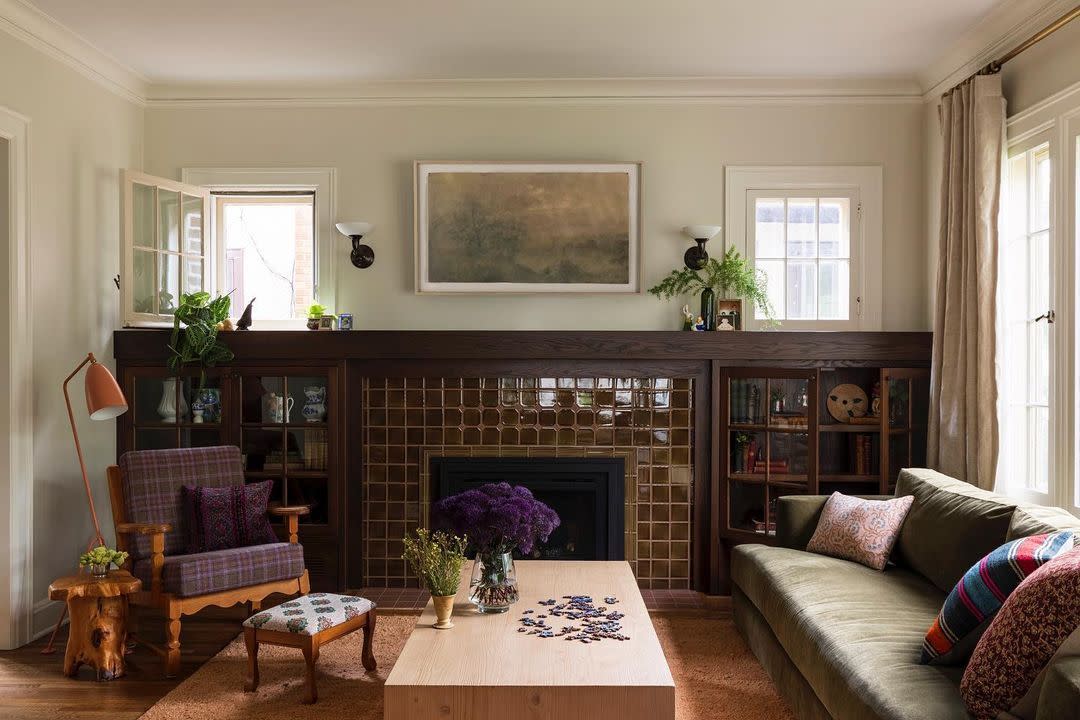
In terms of home design, those leaning toward paranoia often thrive in traditional or craftsman-style homes. These architectural styles emphasize structure, balance, and durability, qualities that foster a sense of stability. Defined rooms rather than completely open floor plans may feel more comfortable, as they create clear boundaries and offer privacy. Solid, high-quality building materials such as brick, stone, and hardwood help reinforce the feeling of security and permanence.
Furniture choices should prioritize sturdiness and reliability. Heavy wooden tables, solid bookshelves, and upholstered armchairs in muted or earth-tone fabrics help create a grounded atmosphere. Tall-backed chairs and sectional sofas can offer a sense of enclosure while still being functional. Window treatments such as thick curtains or wooden shutters provide both privacy and control over light, reinforcing the sense that the environment is safe and manageable. Bedrooms benefit from classic, timeless furniture, such as a four-poster or sleigh bed—that signals permanence and reassurance.
For productivity, a private office or study with a door, strong lighting, and ample storage can help channel energy into focus while reducing distractions. Built-in cabinetry or shelving creates order, minimizing the sense of chaos. Craftsman-style architecture, with its emphasis on handcrafted detail, strong lines, and warm but secure layouts, supports both comfort and peace of mind, allowing productivity to flourish in a space that feels protective.
Disclaimer: These insights are informed by peer-reviewed research on environmental psychology and design. However, this quiz is not a diagnostic tool. It is intended only to provide perspective on how personality traits may influence design preferences, not to serve as a substitute for professional mental health evaluation.
Psychasthenia and Home Design
Your quiz results suggest a tendency toward Psychasthenia. This scale is often associated with chronic anxiety, intrusive thoughts, and perfectionism. While this is not a diagnosis, it does indicate that your environment can play a major role in easing mental load and providing a sense of control. People with this tendency often feel most at ease in spaces that are orderly, uncluttered, and deliberately calming—places that help quiet the mind rather than overwhelm it.
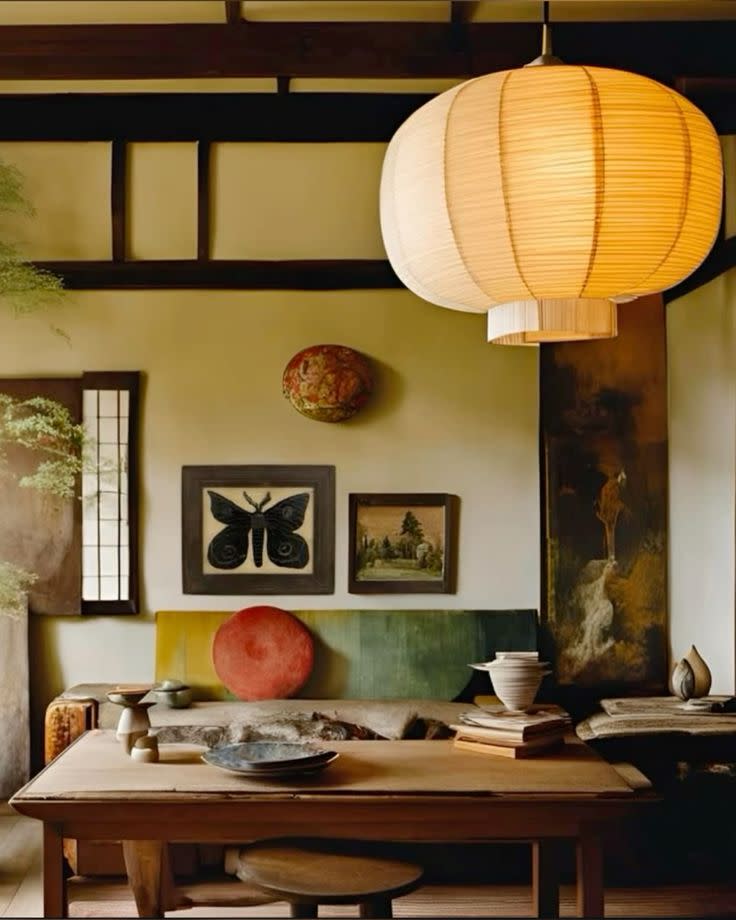
In terms of home design, those leaning toward psychasthenia often thrive in minimalist or Japanese-inspired interiors. These styles focus on balance, restraint, and simplicity, eliminating excess that might otherwise contribute to feelings of mental clutter. Clean lines, open spaces, and neutral tones create a canvas for calmness. Spaces organized with intention—where every item has a place and purpose—help reinforce the sense of control and stability that’s so important.
Furniture choices should prioritize simplicity and functionality over extravagance. Low-profile pieces such as platform beds, tatami mats, or modular sofas promote a sense of groundedness. Light-colored woods, muted fabrics, and a restrained palette (soft whites, pale grays, warm beige) work best to reduce visual stimulation. Storage solutions should be seamlessly integrated—built-in shelving, hidden cabinets, and organized drawers—to minimize visible clutter. A desk for work or study benefits from being clean and minimal, with only essential items in view to reduce distraction.
For productivity, spaces with natural light, good air flow, and minimal sensory overload are ideal. Plants, arranged sparingly, can provide a sense of life and calm without overwhelming the space. A balance between open areas for relaxation and clearly defined zones for work helps create boundaries between rest and focus. Japanese-inspired interiors, with their emphasis on harmony and the idea that less is more, encourage mindfulness and intentional living, supporting both productivity and peace of mind.
Disclaimer: These insights are informed by peer-reviewed research on environmental psychology and design. However, this quiz is not a diagnostic tool. It is intended only to provide perspective on how personality traits may influence design preferences, not to serve as a substitute for professional mental health evaluation.
Schizophrenia and Home Design
Your quiz results suggest a tendency toward Schizophrenia. In psychological terms, this scale is associated with sensitivity to overstimulation, difficulty integrating experiences, and sometimes a sense of detachment from reality. While this is not a diagnosis, it does suggest that your surroundings can strongly influence whether you feel grounded and balanced. People with this tendency are often most comfortable in environments that provide clear organization, stability, and carefully controlled sensory input.
When it comes to home design, individuals leaning toward schizophrenia often thrive in mid-century modern or transitional styles. These architectural approaches emphasize balance—neither overly minimal nor excessively decorated. Mid-century modern, for example, uses clean lines, warm woods, and functional layouts that create both structure and comfort. Transitional spaces blend classic and contemporary elements, offering familiarity without rigidity. Both approaches prevent overwhelming complexity while still providing visual interest and warmth.
Furniture choices should avoid extremes. Pieces with clear geometric lines but comfortable textures work best—think walnut sideboards, simple armchairs with soft upholstery, or coffee tables with clean surfaces. Color palettes should lean toward muted tones—soft blues, earthy greens, warm neutrals—providing subtle stimulation without chaos. Lighting should be layered and adjustable: floor lamps, task lamps, and dimmable ceiling fixtures allow the user to create atmospheres that feel stable and soothing.
For productivity, structured environments are key. A defined workspace with consistent organization—such as labeled storage bins, dedicated shelving, or a carefully arranged desk—reduces fragmentation and makes tasks feel manageable. Avoiding clutter is essential, as too much visual information can increase feelings of disconnection. Mid-century modern architecture, with its balanced proportions and emphasis on functionality, supports mental clarity and focus, while still feeling human and warm.
Disclaimer: These insights are informed by peer-reviewed research on environmental psychology and design. However, this quiz is not a diagnostic tool. It is intended only to provide perspective on how personality traits may influence design preferences, not to serve as a substitute for professional mental health evaluation.

Hypomania and Home Design
Your quiz results suggest a tendency toward Hypomania. This scale is associated with high energy, rapid thought processes, impulsivity, and an elevated drive for stimulation. While this is not a diagnosis, it does indicate that your environment can significantly influence how your energy is channeled. People with this tendency often feel most at ease in dynamic, adaptable spaces that can match their pace while also offering outlets for creative bursts.
In terms of home design, individuals leaning toward hypomania thrive in contemporary or eclectic interiors. These styles embrace variety, flexibility, and movement. Contemporary spaces provide sleek, up-to-date elements that mirror a fast-moving lifestyle, while eclectic interiors allow personal expression through mixing colors, textures, and styles. Both approaches encourage an environment that feels alive, stimulating, and ever-changing.
Furniture choices should support adaptability. Modular seating, movable desks, and lightweight tables that can be rearranged easily give flexibility for bursts of energy or new projects. Bold color accents—bright yellows, rich blues, vibrant reds—add excitement, though they should be balanced with neutral backdrops to avoid overwhelming stimulation. Fun, eye-catching décor such as statement art pieces or sculptural lighting can serve as creative sparks.
For productivity, open spaces that allow movement are critical. A studio-style workspace or flexible office with pin boards, whiteboards, and creative tools encourages expression and project-based work. Large windows, abundant natural light, and even standing desks support physical energy. At the same time, it’s beneficial to have a small nook or quiet corner with soft furnishings—like a cozy armchair and warm lighting—to provide balance when rest is needed. Contemporary and eclectic interiors, with their adaptability and vitality, give hypomanic personalities the perfect environment to stay inspired and productive.
Disclaimer: These insights are informed by peer-reviewed research on environmental psychology and design. However, this quiz is not a diagnostic tool. It is intended only to provide perspective on how personality traits may influence design preferences, not to serve as a substitute for professional mental health evaluation.

Social Introversion and Home Design
Your quiz results suggest a tendency toward Social Introversion. This scale is associated with a preference for solitude, sensitivity to overstimulation, and comfort in smaller, more controlled environments. While this is not a diagnosis, it does suggest that your home plays an especially important role in creating a sanctuary where you can recharge and feel safe. People with this tendency often feel most at peace in cozy, private, and quiet spaces.
In terms of home design, individuals leaning toward social introversion thrive in cottage-style or minimalist environments. Cottage design emphasizes warmth, charm, and comfort, while minimalism ensures simplicity and calm. Together, these styles create a home that is both inviting and restful, perfectly suited for recharging after time spent in busier social settings.
Furniture choices should prioritize comfort and familiarity. Overstuffed armchairs, plush sofas, and soft textiles like wool throws or cotton cushions help create a cocooning atmosphere. Natural materials such as wood, linen, and stone add warmth and a sense of grounding. Colors are best kept soft and muted—gentle blues, creams, sage greens—so the space feels soothing rather than overwhelming. Spaces can be kept small and defined, with cozy nooks for reading or working privately.
For productivity, a dedicated space tucked away from distractions works best. A quiet study or corner desk in a bedroom, paired with warm lighting and comfortable seating, creates an environment where focus feels natural. Window seats, alcoves, or lofted areas can serve as retreats within the home, offering privacy without isolation. Cottage and minimalist styles, with their emphasis on coziness and simplicity, make introverted personalities feel safe, restored, and supported in both relaxation and productivity.
Disclaimer: These insights are informed by peer-reviewed research on environmental psychology and design. However, this quiz is not a diagnostic tool. It is intended only to provide perspective on how personality traits may influence design preferences, not to serve as a substitute for professional mental health evaluation.
