What attachment style do you have?
Learn how you learned to love.
Attachment creates a sense of safety, providing the existential ground for children to take appropriate risks that are necessary to learn and grow. What is experienced in childhood is coded as normal, safe & familiar.
Your attachment style describes how it is for you to ask for your needs, how you expect (or don't) to get your needs met and how you relate to yourself, others and the world. We can have more than 1 attachment style and our primary type can switch as we slowly heal attachment to build secure attachment with ourselves to feel safe in intimacy.
Attachment is how we expect our needs to be met in relationship, how we expect to be received and can become a self-fulfilling prophecy.

Do your lack of boundaries often lead to exhaustion, even burnout?
As in - you have difficulty saying "no". You say "yes" quickly, before even knowing if you WANT to say yes.



Do you assume you're in trouble or have done something wrong?
If your boss calls you into their office or a friend says they have something to tell you.



Do people come to you for advice?
Do you tend to keep score in relationships?
Like how many times whose done what? Like how many times you've been the one to start the conversation?
Do you tend to get angry or annoyed, seemingly out of the blue?
You might know why, but it comes on suddenly and strong. Sometimes disproportionately to what the situation calls for.



Do you tend to make yourself useful in relationships?
Do you believe others are generally better than yourself?
As in - do you judge yourself harsher than you judge others?
How specific are or were your preferences for your ideal partner?



Do you punish yourself for being a "burden"?
This can be in thought or action. Do you say harsh things to yourself when there's an "inconvenience"? Do you procrasintae meals to avoid taking up space?

Do you focus so much on others that you're often left depleted?



Do you apologize, even if you're not in the wrong, just to smooth things over?
Do you feel vindicated after a break-up and then deflated?
By vindicated, I mean a, "they'll see what they're missing" attitude
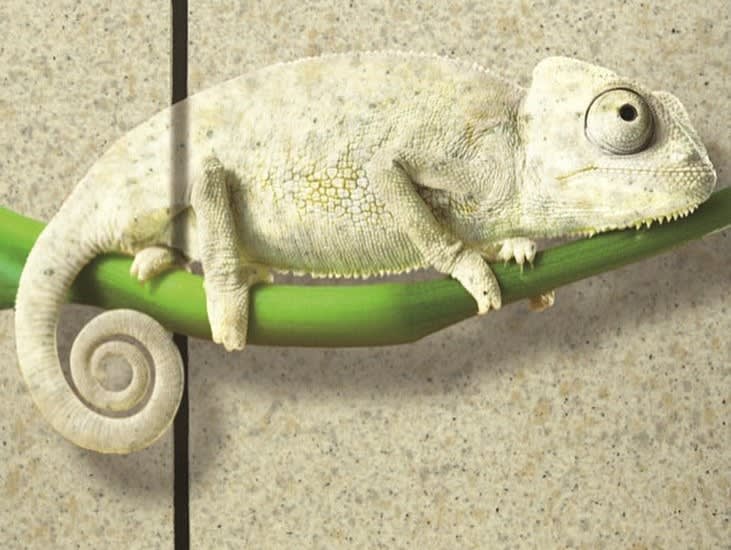
Do you tend to "chameleon" with whoever you're around most?


Are you afraid you're a bad person?
Like there's this unexplainable buzzing energy around you that makes you feel like you don't deserve anything good, no matter what?



Did you or do you roll your eyes in arguments?



Would you rather do everything yourself than ask for help, even when you need it?
Do you check with others before making a decision?
Do you tend to have "project" relationships, where you want to change, fix or save the person?



Do you tend to overexplain yourself or overshare, even when you don't mean to?
Sometimes this can lead to a vulnerability hangover



Do you tend to interpret neutral cues as negative?
Assuming someone's mad at you, when they might just be distracted
Is it difficult for you to be alone?

Do you want closeness but freeze up when people start to get to know you?

Instead of saying, "no", do you give excuses or say, "we'll see"?



Do you tend to isolate yourself when you're feeling, well, feelings?



Do you tend to keep in touch with ex's?



Do you want someone else to decide where you're going for dinner?



Do you worry people are mad at you if you haven't heard from them?
How do you feel about being ghosted?



Do you think people won't like you if they get to know you - the real you?



Do people get "promoted" in your life quickly?
Acquaintances becoming good friends, becoming inseparable after a few dates



Do you find you're more focused on other people's lives & problems than your own? Is your time & energy mostly outgoing or incoming?

Do you worry that you care more for the people in your life than they care for you?
As in - that others care less about you than you care about them?
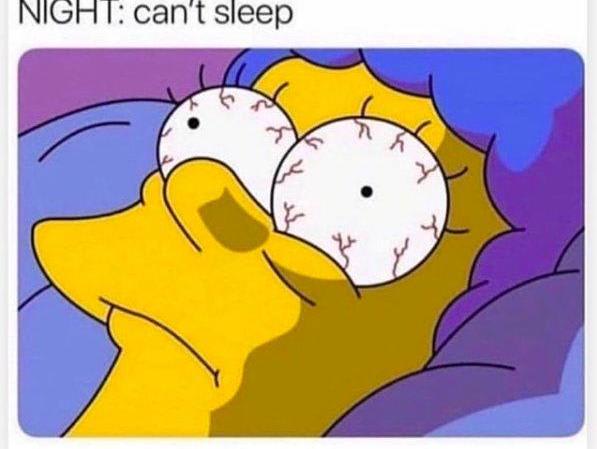


Do you often disregard what you want to do - just to not make a fuss?
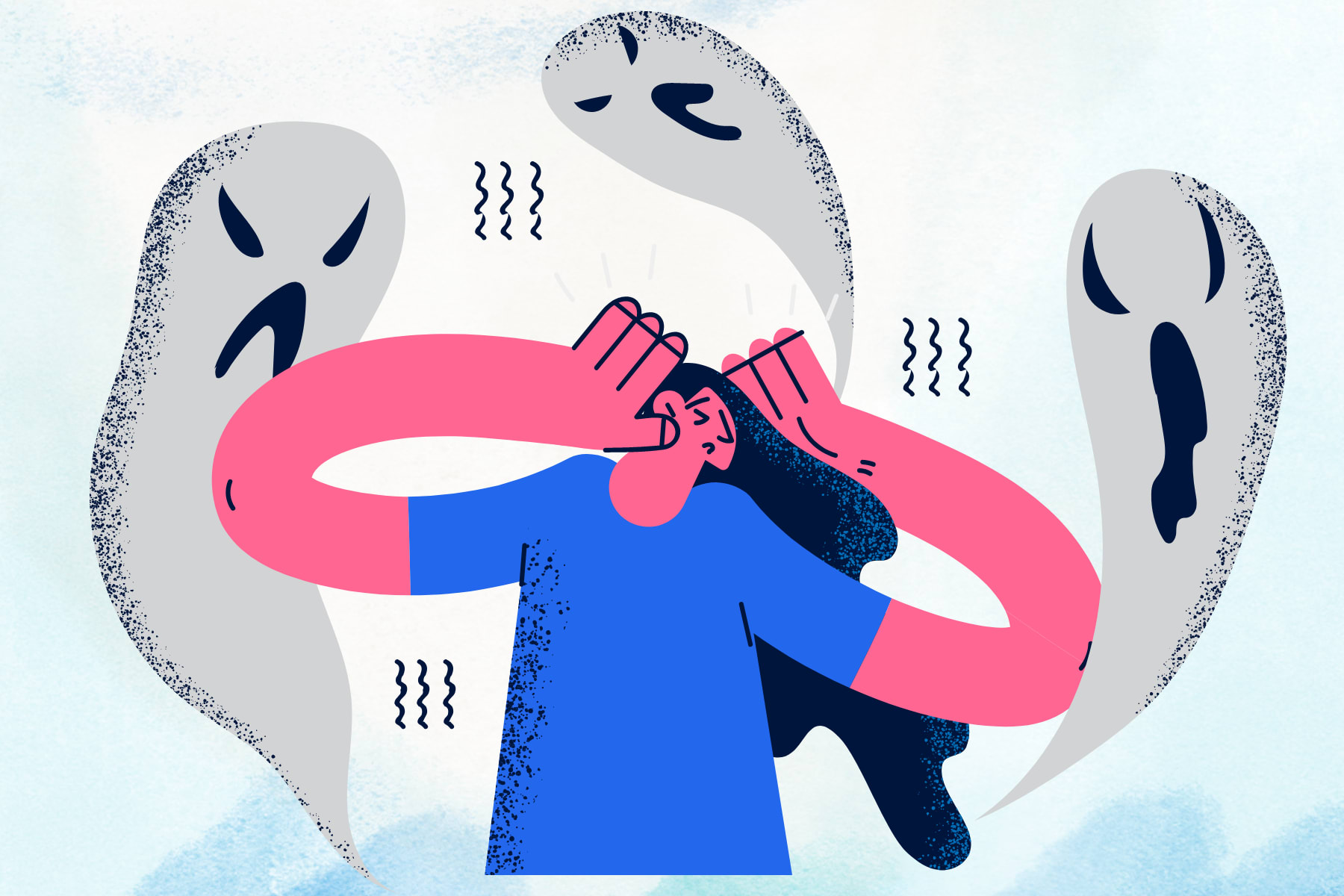
Do you let little things build up and end up saying things you regret?
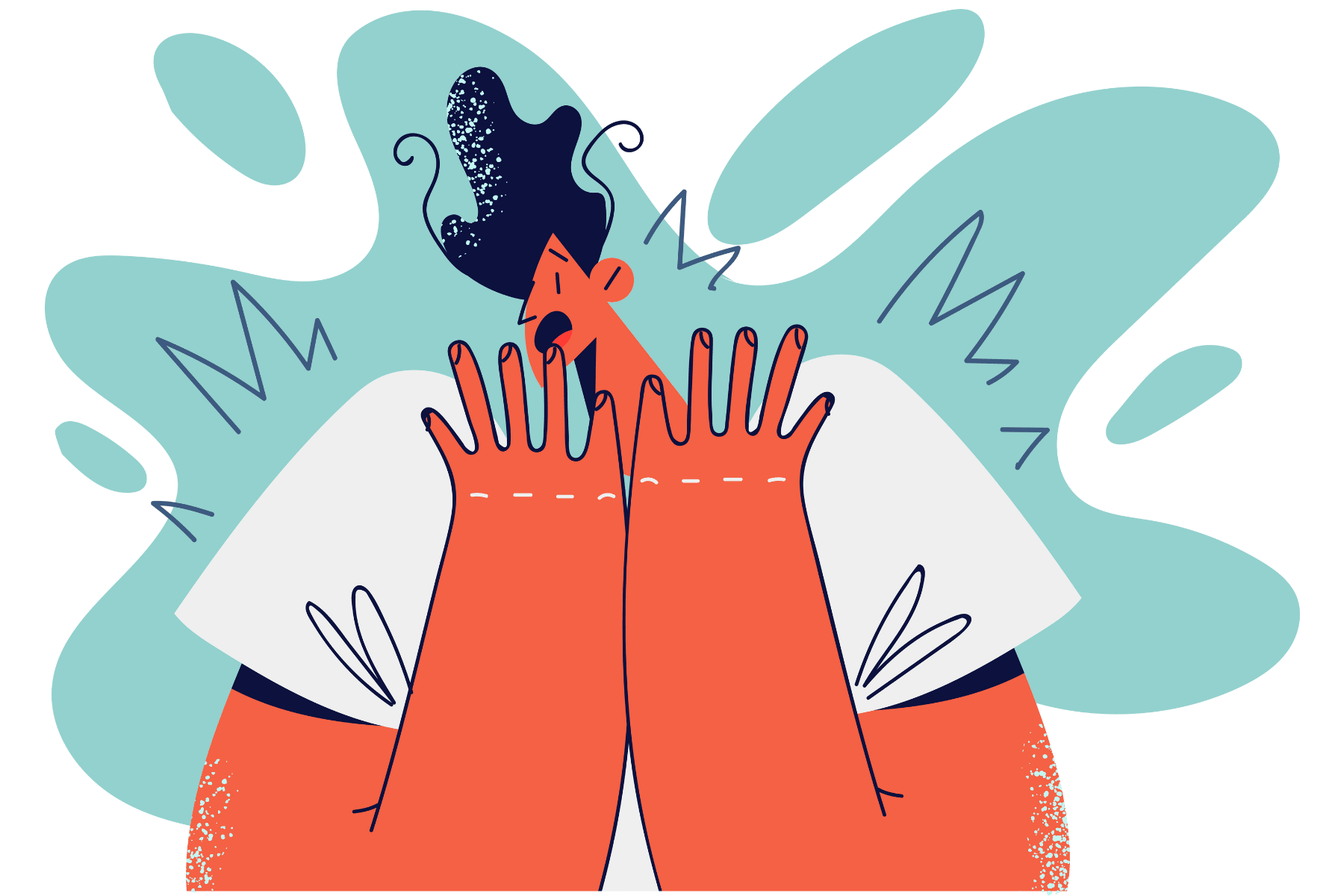
Do you react with sharp, cutting tones when you're upset?

Are you prone to perfectionism so much that it leads to procrastination?
Like you have ideas about what you want to do but you're so afraid of failure you never do the thing



Do you tend to have larger reactions to small issues and bite your tongue on big issues?
Like yelling over the dishes but not talking about the elephant in the room



Do you tend to blame yourself for the relationship issues?

Do you tend to get jealous (even about friends) but also to feel smothered by people?
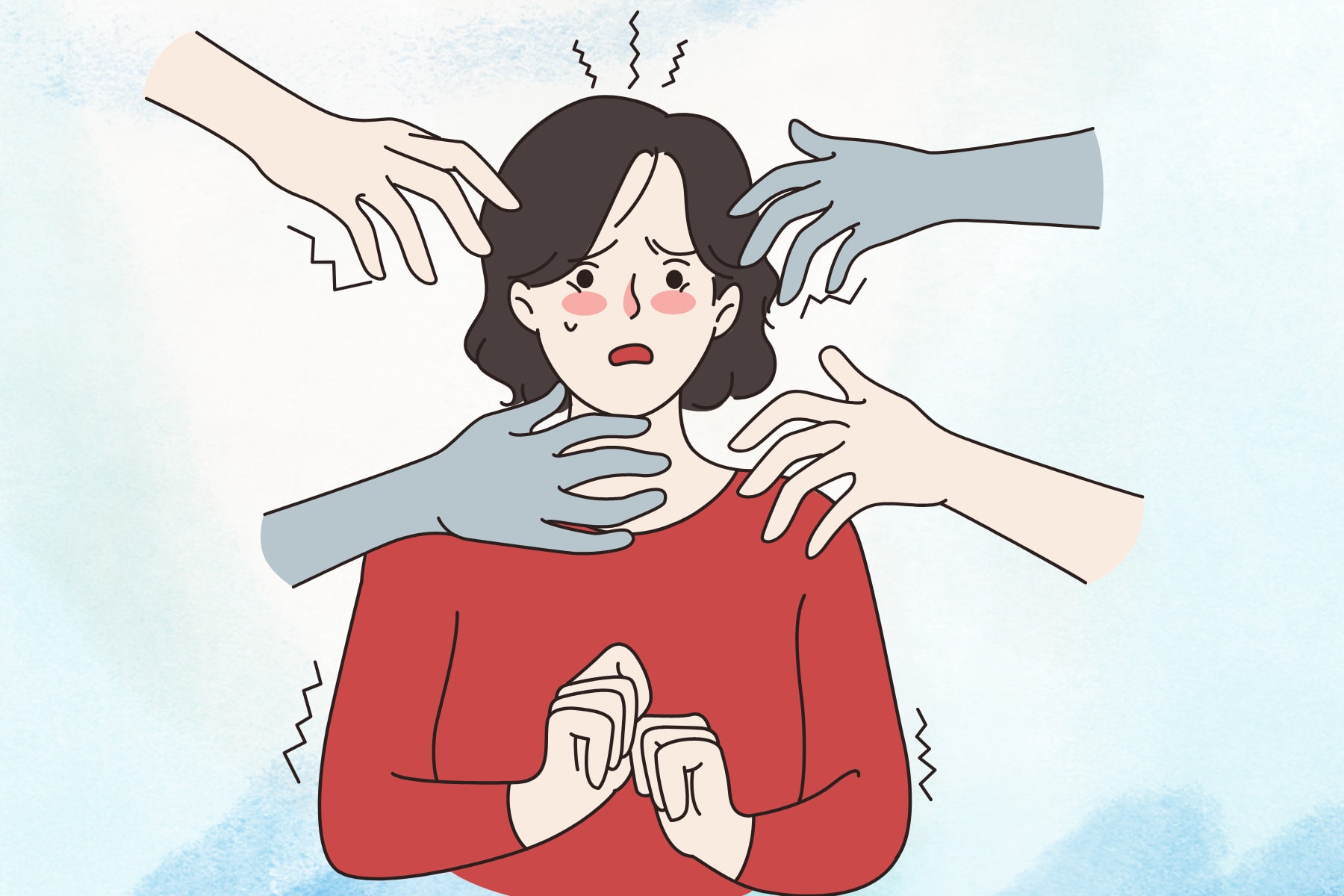
Do you tend to second guess yourself and wish you had done or said something differently?
Do you tend to picture the worst case scenario? Do you catch yourself daydreaming about catastrophes?



Do you tend to walk on eggshells when you can't "read" someone?
Is it safer to not be vulnerable, just to avoid getting hurt?
Do you tend to put people on a pedestal?



Do you accidentally "keep score" in relationships to make sure things are "even"?

Do you ever "leave before you get left"?
As in, do you withdraw or pull away when things are going "too good"?



Do you avoid saying your opinion until you know what other people think first?



Do you feel incomplete if you're not in a relationship?
How strong is your persona when you first meet someone?
As in - do you hide things from people until they really get to know you?



Are you aware of what others think of you most of the time?
Submit your email for your results!
You're one step away from knowing yourself even more...
You are {result #1 percent} Avoidant Attachment
You're avoidant! You have a deep fear of being seen because being seen (even accurately), feels exposing. So it's easier to stay hidden. You have different friend groups that rarely meet and they each know a different side of you. It isn't that you're inauthentic, you just don't know how to bring all of these separate parts together.
Your fear leads to escapism, numbness - anything to "get away". For you, the formula of love that has been handed down to you is that Love is Absence. You've learned that love leaves, that love disappears. So it's easier to avoid closeness to not feel that pain. You can be rigid but it's only because you're afraid of being judged for being new at something. You expect instant mastery of yourself. And the perfectionism is unflinching.
It's a brave thing to trust in love - to say "yes" to the inevitability of heartbreak to truly experience the fullness of love. It's a brave thing to allow yourself to be seen, to risk being understood. You deserve to be seen, known, heard and understood. You deserve to be loved.
Learn more about how to heal your attachment type by signing up here - you'll have access free somatic practices, meditation and free access to the introduction of the Attachment Course.
More details:
{result #2 percent} Ambivalent Attachment
{result #3 percent} Anxious Attachment
{result #4 percent} Disorganized Attachment
{result #5 percent} Secure Attachment
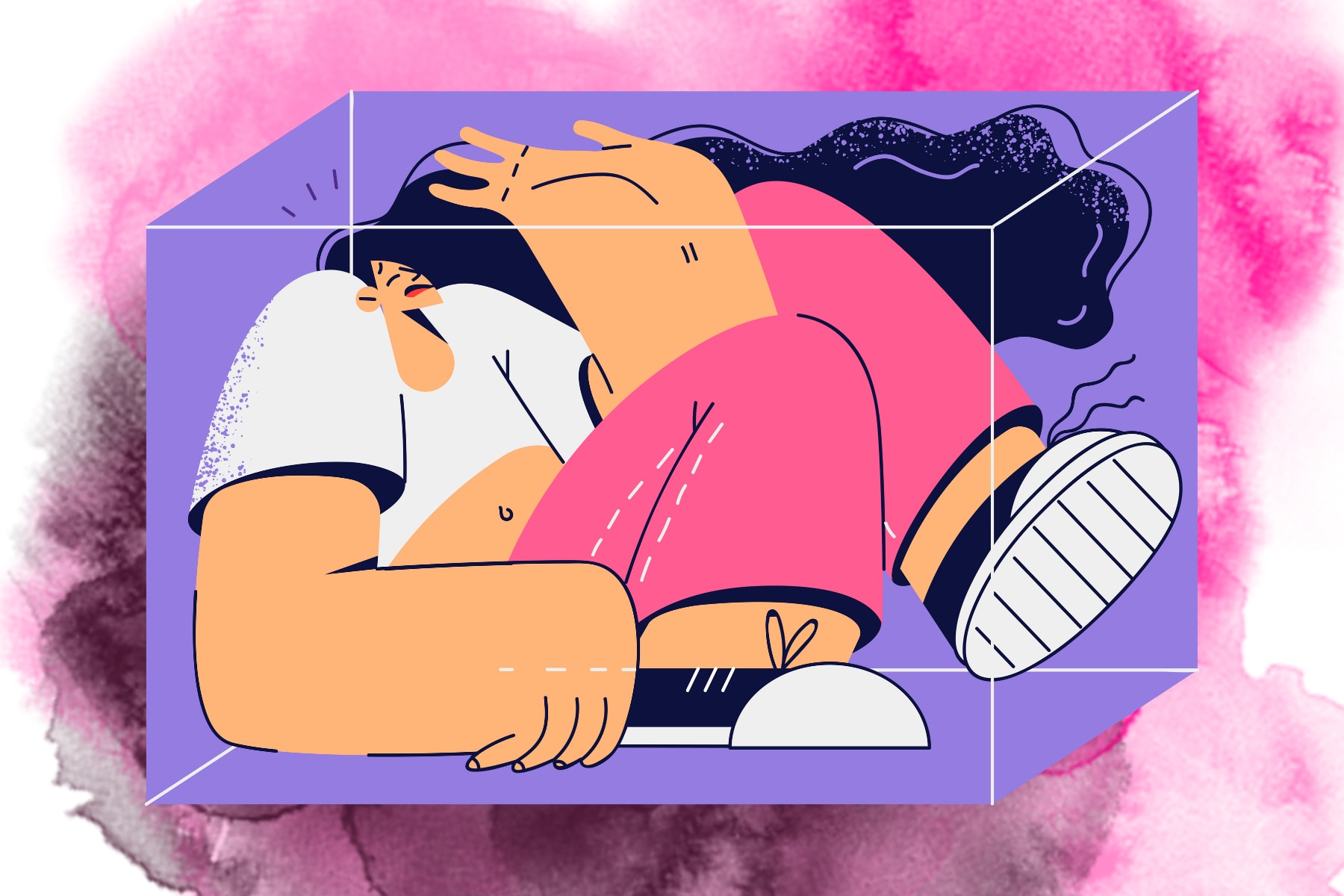
You are {result #2 percent} Ambivalent Attachment
You're an ambivalent! You're always walking on eggshells - in every relationship, friendship, even & especially at work. You never know what response you'll get so you prepare for it all. You exhaust yourself trying to anticipate everything before it happens. It's led to workaholism - never-ending busyness.
The formula you've inherited is that love is unpredictable. People will be either compassionate or critical and it isn't worth the risk. You crave intimacy, but tend to keep people at arm's length. When you do get close to someone (oftentimes by accident), you brace for them to leave. You've created a genius way to keep love at arm's length but still feign closeness - persona. If people never really know you, they can never really reject you. But then, you're never really known.
You're acutely aware of peoples' expectations of you and have pretty high expectations of yourself too. You don't let yourself off the hook for much. Your Inner Critic wouldn't allow you to fail. It isn't an option.
You can learn to trust in love. Listen to your body and differentiate intuition from fear. You deserve to surrender to love.
Learn more about how to heal your attachment type by signing up here - you'll have access free somatic practices, meditation and free access to the introduction of the Attachment Course.
More details:
{result #1 percent} Avoidant Attachment
{result #3 percent} Anxious Attachment
{result #4 percent} Disorganized Attachment
{result #5 percent} Secure Attachment
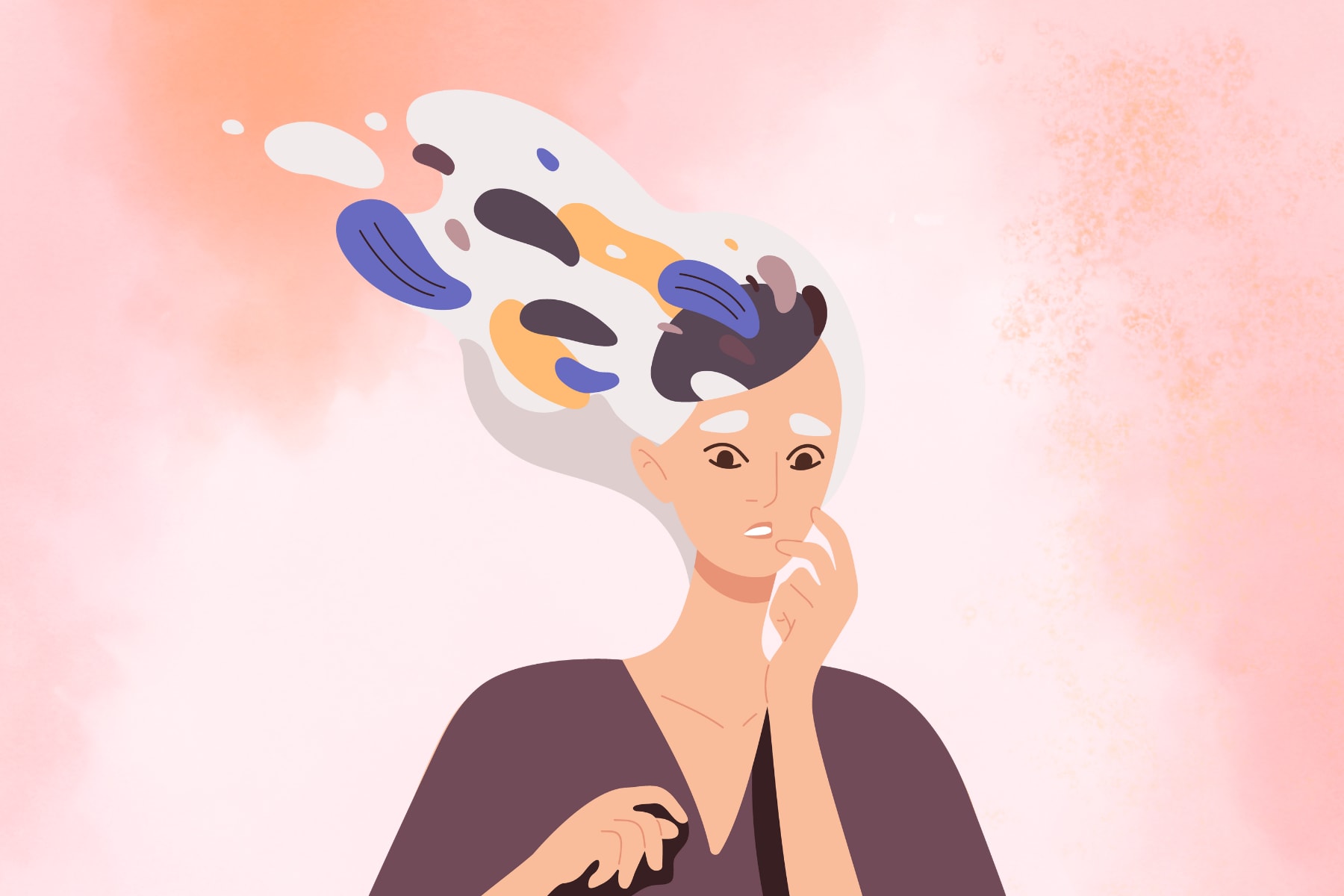
You are {result #3 percent} Anxious
You're anxious! You generally view other people as better than yourself so you spend a lot of your time apologizing. There's a vague, buzzing sensation that keeps uttering how you don't deserve love. That isn't true. But your negative self-talk gets the better of you. You're terrified of abandonment from others and you've ended up abandoning yourself. Holding others in such high esteem comes at the cost of your own self-worth.
It's difficult for you to be alone so you be sure to keep busy, to keep useful. You spend a lot of time, more time than you'd like to admit, obsessing about how reciprocal your relationships are. It can come across as clingy, but you're actually trying to not be a burden. Your need for reassurance is because of a primordial formula that LOVE IS EARNED.
So when you're asking for reassurance in relationships, you're asking, "have I done enough to be loved by you?" You're waiting to be able to receive love but have no idea how or when to let yourself be loved. The nagging, "do you even deserve it" keeps getting in the way.
Love is an infinite resource. You don't need to earn love. You deserve to be loved.
Learn more about how to heal your attachment type by signing up here - you'll have access free somatic practices, meditation and free access to the introduction of the Attachment Course.
More details:
{result #1 percent} Avoidant Attachment
{result #2 percent} Ambivalent Attachment
{result #4 percent} Disorganized Attachment
{result #5 percent} Secure Attachment

You are {result #4 percent} Disorganized
You're disorganized! Your danger-safe cues are skewed because the people who were supposed to protect you perpetrated harm - they couldn't protect you. You learned that love will hurt you. But we still need love. So instead you blame yourself. After all, if it was your fault (it wasn't), then there's something you could do to prevent it from happening again (you couldn't). After all, if it was your fault (it wasn't), there must've been something terrible you did to deserve this (there isn't). It's just easier to believe you're the problem than face the enormity of the real problem.
You tend to be dissociative at best and hyper-vigilant, well, most of the time. You need to orient yourself in your surroundings immediately and feel uneasy when you don't where the exits are or if your back isn't against the wall. It's not that you feel afraid all the time, it's that chaos has become familiar. It's in the chaos that you thrive. When things are going too well for you, you don't trust it. You're bracing for the other shoe to drop.
You assume people who love you will not only leave at some point, but will use what they know against you. It's happened before. It could happen again. Relationships never last anyway. There's a feeling like you're too hard to love, but what's the point in trying?
You aren't too hard to love. You deserve to feel safe AND loved. The two go hand in hand.
Learn more about how to heal your attachment type by signing up here - you'll have access free somatic practices, meditation and free access to the introduction of the Attachment Course.
More details:
{result #1 percent} Avoidant Attachment
{result #2 percent} Ambivalent Attachment
{result #3 percent} Anxious Attachment
{result #5 percent} Secure Attachment
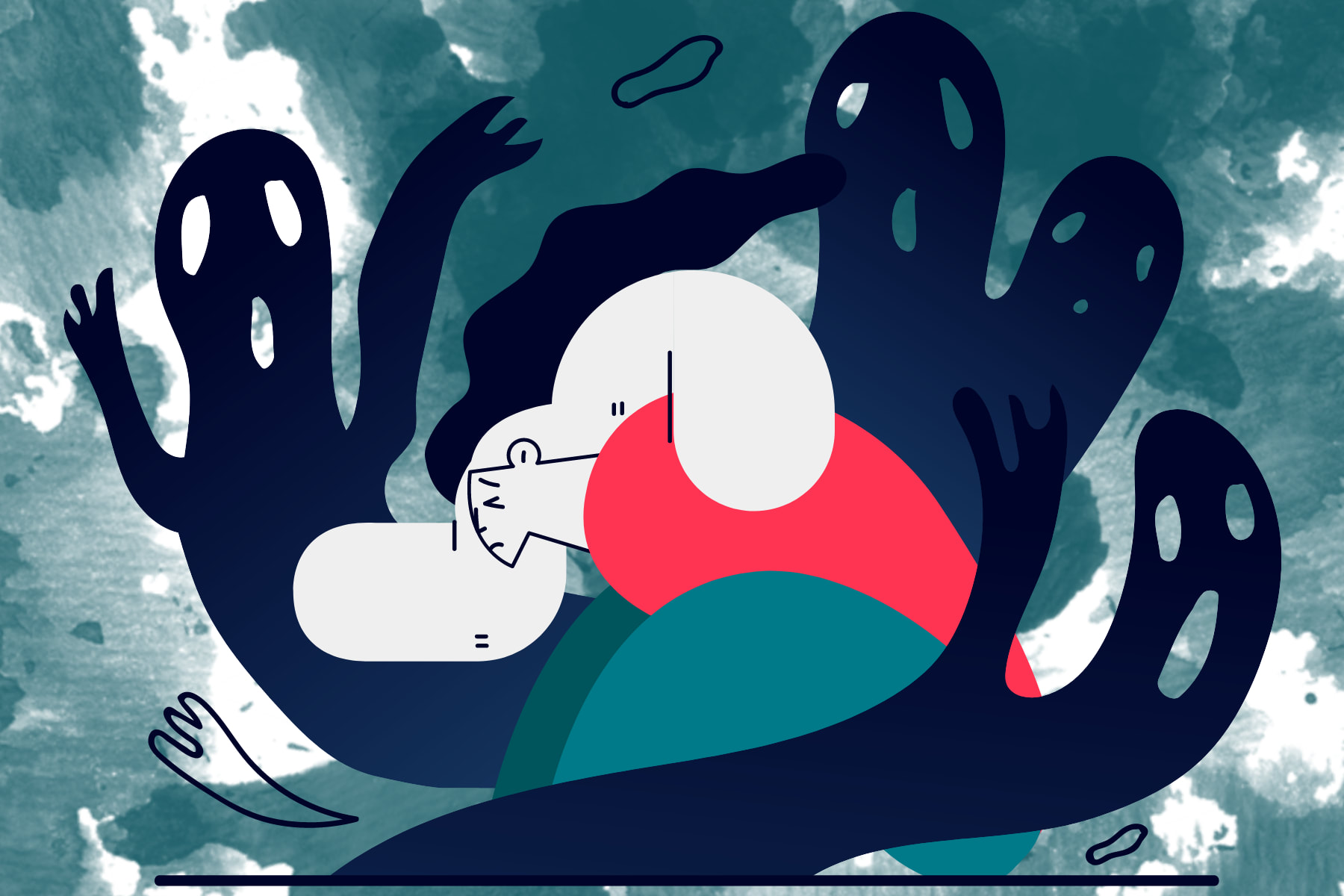
You are {result #5 percent} Secure
You're Secure! You're able to identify your needs, know how to meet your own needs, can ask for your needs to be met and generally expect that your needs will be met. You understand that even if your needs aren't met right away, that your needs are still important. You know that other people don't define your worth, that your worth isn't in what you do - but in who you are.
You generally like yourself and believe you have important gifts to offer the relationships in your life. You ask for support when you need it and practice connecting with your body often. You're ready to move through the heartbreaks & losses that come alongside love.
Learn more about how to heal your attachment type by signing up here - you'll have access free somatic practices, meditation and free access to the introduction of the Attachment Course.
More details:
{result #1 percent} Avoidant Attachment
{result #2 percent} Ambivalent Attachment
{result #3 percent} Anxious Attachment
{result #4 percent} Disorganized Attachment