What type of marketer are you?
This quiz will help you discover your dominant marketing personality style
Instructions: Read each question carefully and choose the answer that best reflects your natural tendencies and preferences.

How do you start your day?
What's your go-to method for staying inspired?
How do you handle feedback?
What's your biggest strength?
How do you track your success?
Which type of campaign excites you the most?
What kind of content do you prefer creating?
What's your favorite type of brainstorming session?
How often do you check your campaign metrics?
What's your favorite type of content to consume?
Which skill do you want to improve the most?
How do you deal with a campaign that's not performing well?
What’s your favorite marketing success story?
What's your favorite way to research your target market?
What do you believe is the future of marketing?
Enter your email to view results
Community Focused Marketer
What it means: You're the heart and soul of the brand community. You build strong relationships with your audience, fostering loyalty and advocacy. You understand the power of human connection and leverage it to create a thriving brand ecosystem.
Advantages:
- Brand loyalty: You cultivate a loyal customer base by fostering trust and positive interactions.
- Valuable customer insights: You gain a deep understanding of your audience's needs and desires through direct interactions.
- Organic brand advocacy: Your engaged community becomes your brand ambassadors, amplifying your message.
Disadvantages:
- Scalability limitations: Building deep relationships requires a lot of time and effort, making it hard to scale quickly.
- Negative feedback management: You might face negative feedback that requires careful handling.
- Metrics challenge: Measuring the impact of community engagement can be trickier than tracking direct conversions.
Tips:
- Authentic communication: Be genuine and transparent in your interactions with the community.
- Active listening: Pay close attention to your audience's needs, concerns, and feedback.
- Foster meaningful interactions: Create opportunities for conversations, collaborations, and knowledge sharing.

Data-Driven Marketer
What it means: You're the analyst of the marketing world. You thrive on numbers, love diving deep into data, and find insights that optimize campaigns for maximum impact. Your decisions are backed by hard evidence, ensuring efficient resource allocation and measurable results.
Advantages:
- Precision targeting: You pinpoint the right audience segments with laser focus, maximizing campaign effectiveness.
- Measurable success: You track every click, conversion, and interaction, allowing for constant optimization and ROI improvement.
- Data-driven decision making: You avoid gut feelings and rely on facts, minimizing costly marketing mistakes.
Disadvantages:
- Creativity roadblock: Overreliance on data can stifle creative thinking, leading to formulaic campaigns.
- Incomplete picture: Data doesn't always capture the full customer journey or emotional responses.
- Analysis paralysis: Spending too much time analyzing data can delay taking action.
Tips:
- Master data analysis: Hone your skills in data interpretation, visualization, and storytelling to translate complex data into actionable insights.
- Embrace experimentation: Use data to guide A/B testing and identify areas for improvement.
- Balance data with creativity: Combine data analysis with creative thinking to develop effective and engaging campaigns.
Opportunities to tap into:
- Marketing automation: Leverage automation tools to personalize campaigns based on user data.
- Data visualization: Create compelling dashboards and reports to communicate data insights effectively.
- Campaign attribution modeling: Understand which marketing channels contribute most to conversions.

Content Focused Marketer
What it means: You are a storyteller. You love creating compelling content that resonates with your audience, educates, entertains, and inspires them to take action. Your passion for storytelling allows you to connect with audiences on an emotional level and this is how you drive business goals
Advantages:
- Brand awareness: Engaging content attracts new audiences and increases brand visibility.
- Thought leadership: With so many new brands, great content can help you establish your brand as an authority in your niche through informative and valuable content.
- Emotional connection: You build emotional connections with your audience, leading to stronger brand loyalty - this can be a really strong asset
Disadvantages:
- Increased difficulty in standing out: With so much content out there, it can be difficult to stand out and capture attention. You should always find creatve ways to grab attention and keep your content fresh
- Content creation time: Creating high-quality content takes time to mature into results. You need to balance short term content strategies with long term strategies to drive business goals.
- Measuring impact: Attributing conversions directly to specific content pieces can be challenging. You need to pay more attention to the data to see what works and what does not.
Tips:
- Know your audience: Tailor your content to the interests and needs of your target audience.
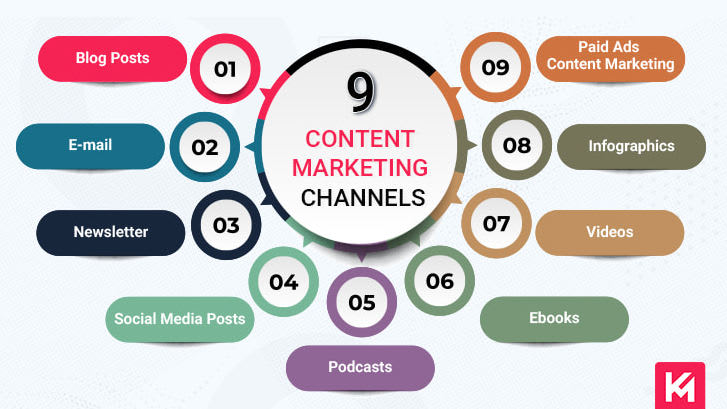
- Content variety: Experiment with different content formats (blogs, videos, infographics) to maintain engagement.
-
SEO optimization: Optimize your content for search engines to reach a broader audience.
Growth/Experimentation Focused Marketer
What it means: You're a lover of innovation. You thrive on experimentation, constantly testing new ideas and optimizing campaigns based on data and results. You're never afraid to take calculated risks and embrace a growth mindset.
Advantages:
- Continuous improvement: You constantly test and iterate, leading to continual campaign optimization and growth.
- Uncovering hidden insights: Experimentation can reveal unexpected opportunities and hidden customer behavior patterns.
- Adaptability: You can quickly adjust your approach based on data, allowing you to stay ahead of the curve.
Disadvantages:
- Time investment: Experimentation requires time and resources to design, implement, and analyze results. Make sure you plan experiements based on reasonable timelines
- Fear of failure: A constant testing environment can lead to a fear of making mistakes or taking risks.
- Focus on short-term wins: The focus on experimentation might overshadow long-term strategic planning.
Tips:
- Develop a testing framework: Create a structured approach to experimentation with clear hypotheses and success metrics.
- Embrace calculated risks: Don't be afraid to experiment with new ideas, but manage risk by being strategic.
- Document wins and losses: Embrace the wins and losses that come with experimentation so that future results can be better. Avoid making the same mistake twice and don't get lost in experiments that you forget your "why"
