Coyote’s Quiz
Wanna test yourself or kids on the story?
Take this fun quiz to dig into the facts behind the tour.

Where does the name “Petlenuc” come from?

The term “Petlenuc” comes from the name the Yalamu Ohlone tribelet gave to a stream that runs through the area we now call the Presidio. Sadly, this is one of the few bits of language that we have from this tribelet. The Yalamu Ohlone tribelet has no known descendants and its stories, dialect, and language are mostly lost now.
According to Helen, what are the living conditions the Ohlone endured in Petlenuc?
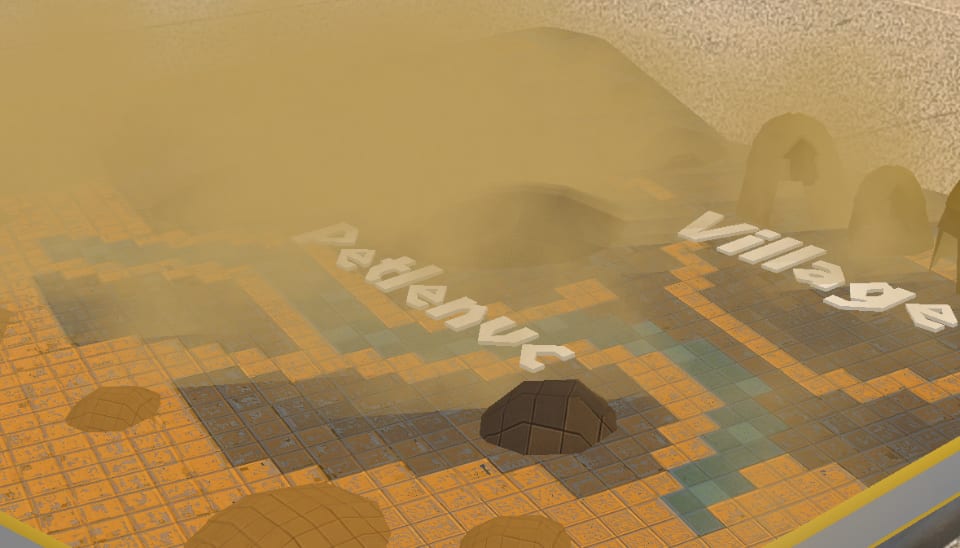
Helen believes it was cold and windy, which is only partly correct. Early photographs show more sand dunes and small bushes in the highlands of the Presidio, but where the tour goes the water table would have been higher and the land would have been almost marshy. It would also have been full of animals. One explorer reported, “There is not any country in the world which more abounds in fish and game of every description.” There would have been abundant birds, marine life, and animals, large and small, all over this landscape. So it wasn’t the empty, cold place Helen describes.
What is Alfi noticing when he first starts walking and says, “It felt like I was walking on a border between two opposing forces?”

The city on his right and on his left is correct. Alfi goes on to wonder why we call some places “natural,” when “isn’t every space natural, in a way?” He’s right and pretty Ohlone in his perspective that nature is everywhere and in communication with us at all times. One missionary noted that the Ohlone would wake up before dawn to greet the sun. They felt the sun had “a nature very much like their own.”
What three elements of nature are in Alfi’s sweathouse vision?

Water, Fire, and Wind are correct. Deer spits out a stream, Badger breathes fire, and Eagle creates wind with her wings. The Ohlone didn’t believe that the animals would always appear in a sweathouse vision, but they did believe that they could communicate important things to you, like the changes in the season and how one could acquire their powers.
How could we describe what Coyote is in the story?
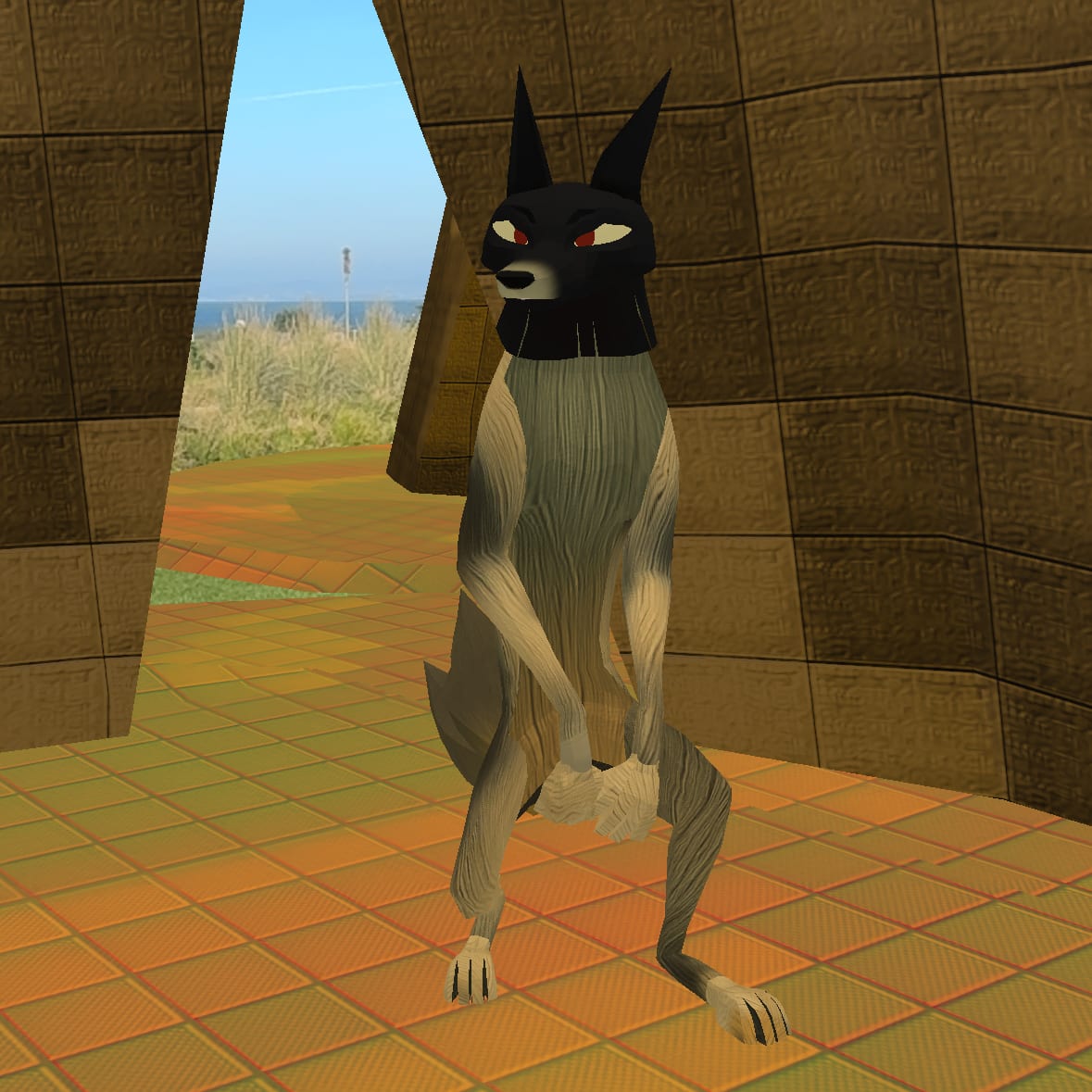
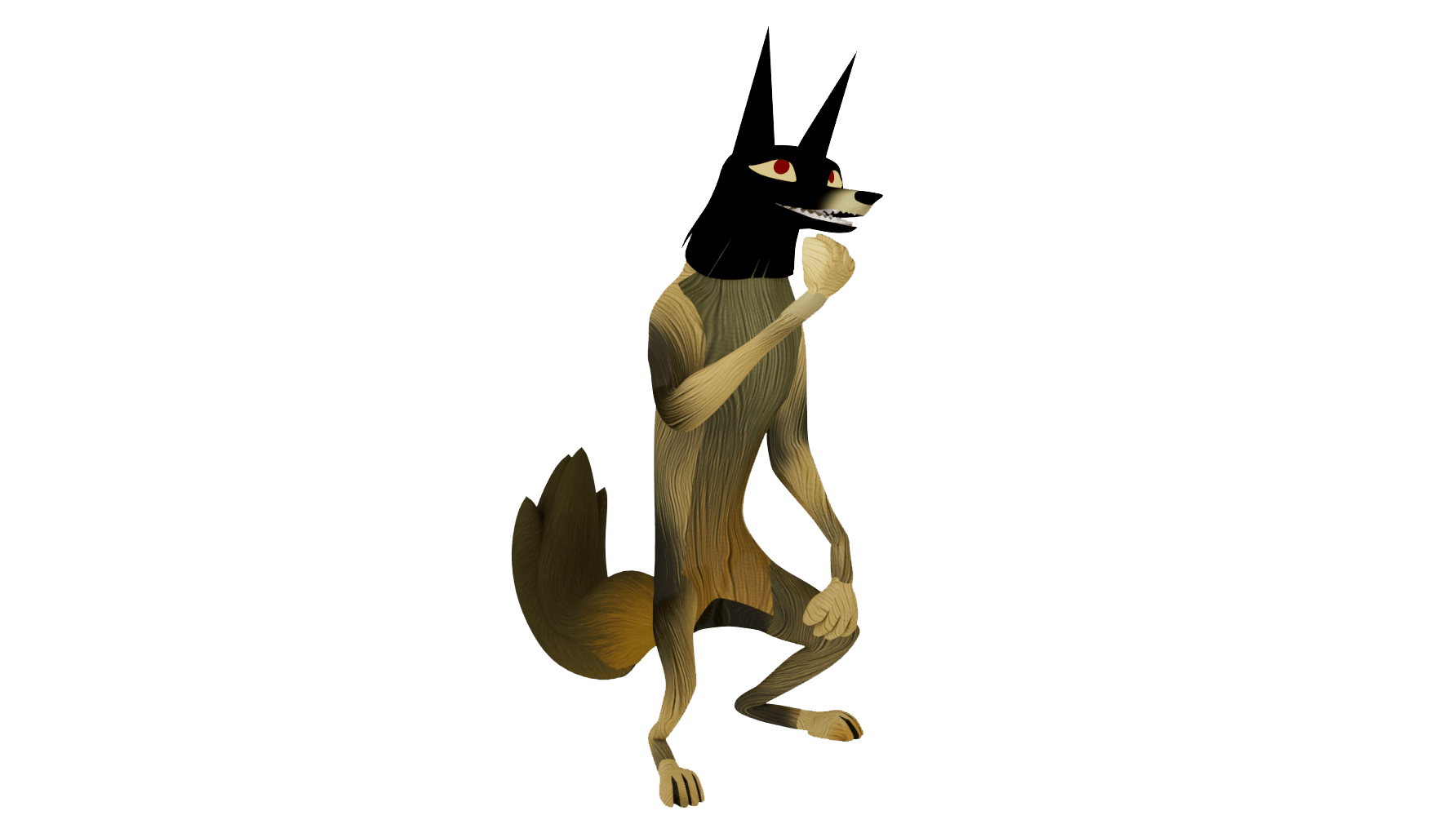
Coyote is “All of the above.” In the Ohlone tradition, he is the creator with awesome godlike powers, but he’s also sometimes a spirit who guides people to do things, by manipulating them and turning himself into other creatures. He is also a playful trickster trying to get humans to do things for him and often making mistakes in his own plans. His role varies from tribe to tribe and story to story.
What mountain does Coyote end up on after the flood waters recede?
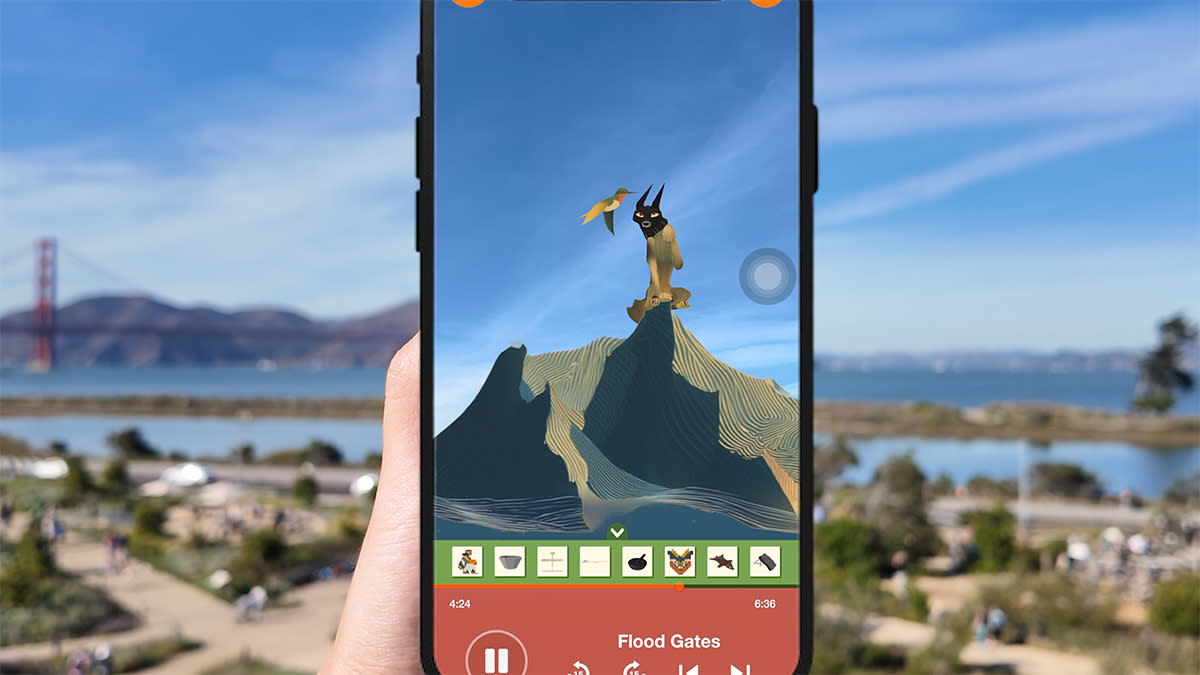
Mount Tamalpais (Mt. Tam) is correct. Other versions of the creation story have him on Mount Diablo and Pico Blanco. The Ohlone varied the story according to the geography they lived in. The extreme localization of the core creation story gave the Ohlone tribelets (like the Yalamu who lived in the Presidio) an extremely strong tie to their homeland.
When Coyote builds his own hut, why is it sort of transparent and built from materials in the surrounding landscape?
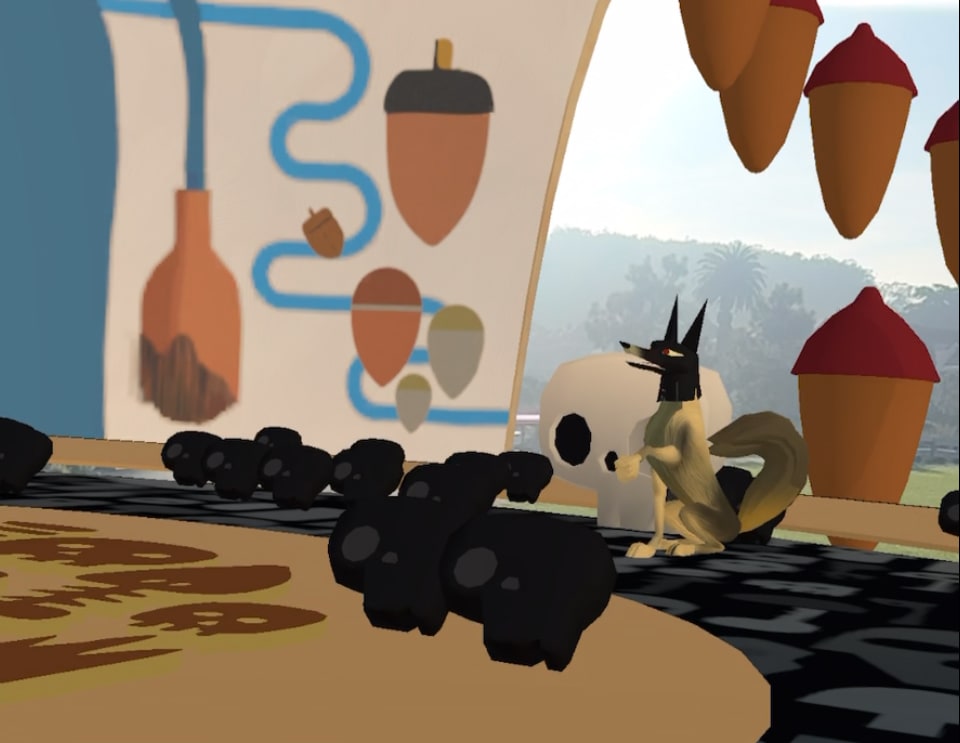
Coyote is showing us that home was about a relationship with the natural world. While Helen is telling the children that the Ohlone built huts to shelter themselves from the harsh surroundings, Coyote is teaching us that the Ohlone embraced the world around them including the animals, the plants, and the ancestors below their feet. They didn’t see their home as defined by the walls around them.
What did the first human come from?
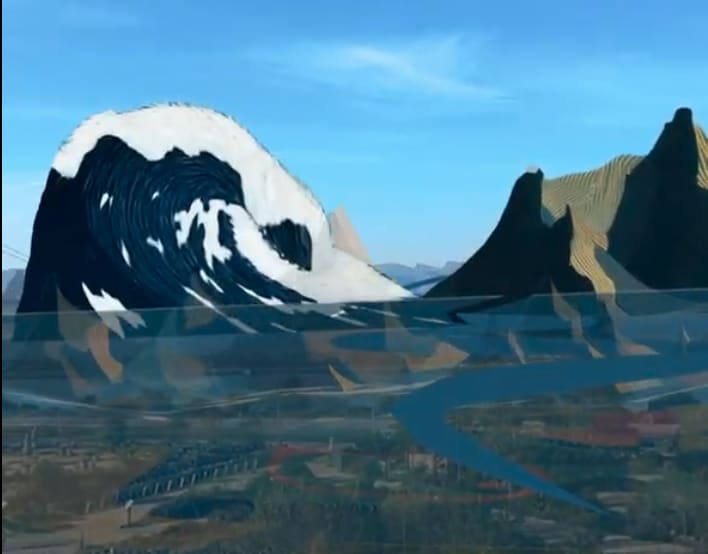
Lice from Coyote’s fur. He makes his wife eat the lice and she becomes pregnant, according to many Ohlone creation stories. This is an important event because it ends the Sacred Time and marks the beginning of Human Time, which Alfi tries to preserve. It should be noted that in Ohlone culture eating lice from other people’s scalps wasn’t considered gross. It was part of their grooming practice.
What does the mountain lion in Alfi’s vision symbolize in the end?
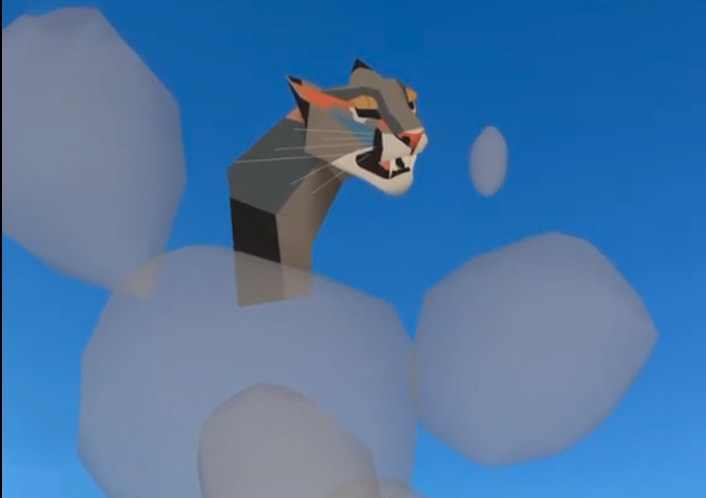
The mountain lion is indeed Alfi’s inner mountain lion. In a way this story is all about Alfi finding his voice. His adventure to save the world may have really been a Coyote trick to get him to speak his mind and share his own innate knowledge of nature with the class.
Why does the story have you collect Ohlone objects from Minecraft-like huts?
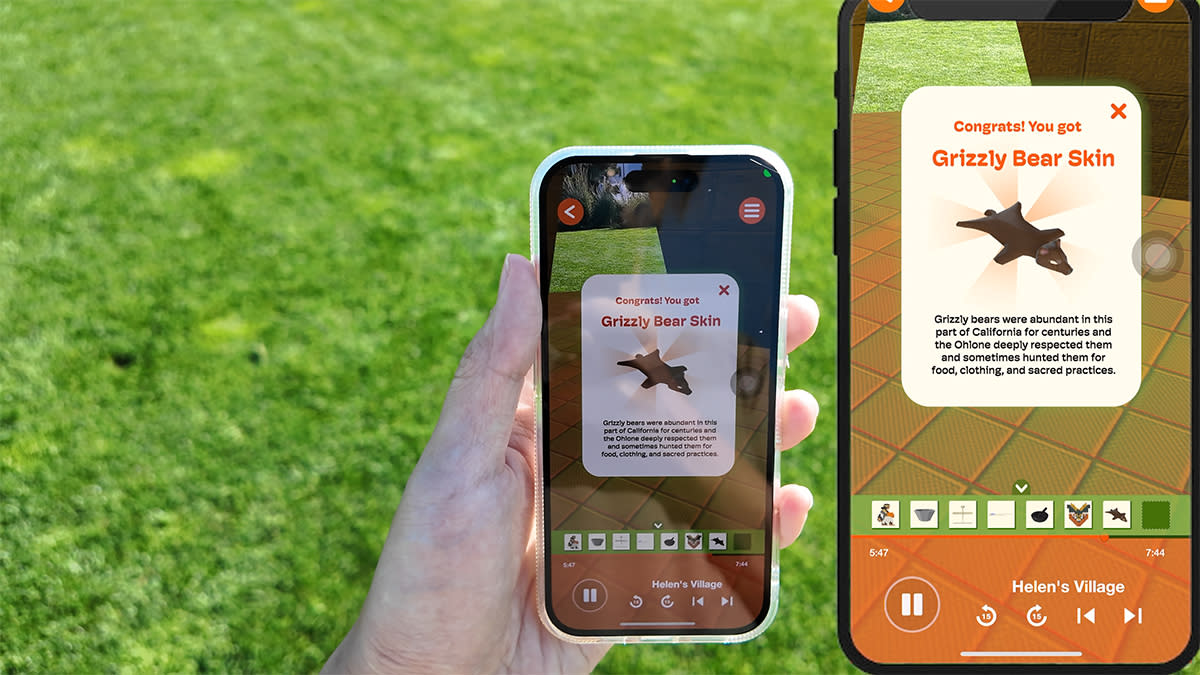
The objects really are about showing us that Helen’s teaching method is wrong. She is trying to play up the addictive properties of games like Minecraft to get the students to collect the objects and learn something about survival. Coyote asks Alfi, “Did collecting all those objects make you feel like you really learned something about survival here?” When Alfi realizes they didn’t teach him much, he gets much more interested in following Coyote and learning his perspective on Ohlone survival.
Petelenc Apprentice: You got {number correct}/{number of questions} correct answers
So the bad news is that you didn't get so many right.
The good news is that Petlenuc Interrupted is great a second, third, or fourth time through! As Coyote would say about the Barbie song: “It’s layyyyered!”
And if you’re still on site, try the scavenger hunt in the Presidio Visitors Center. It takes about 15 minutes and is a fun way to learn more about the Ohlone history contained in the story.
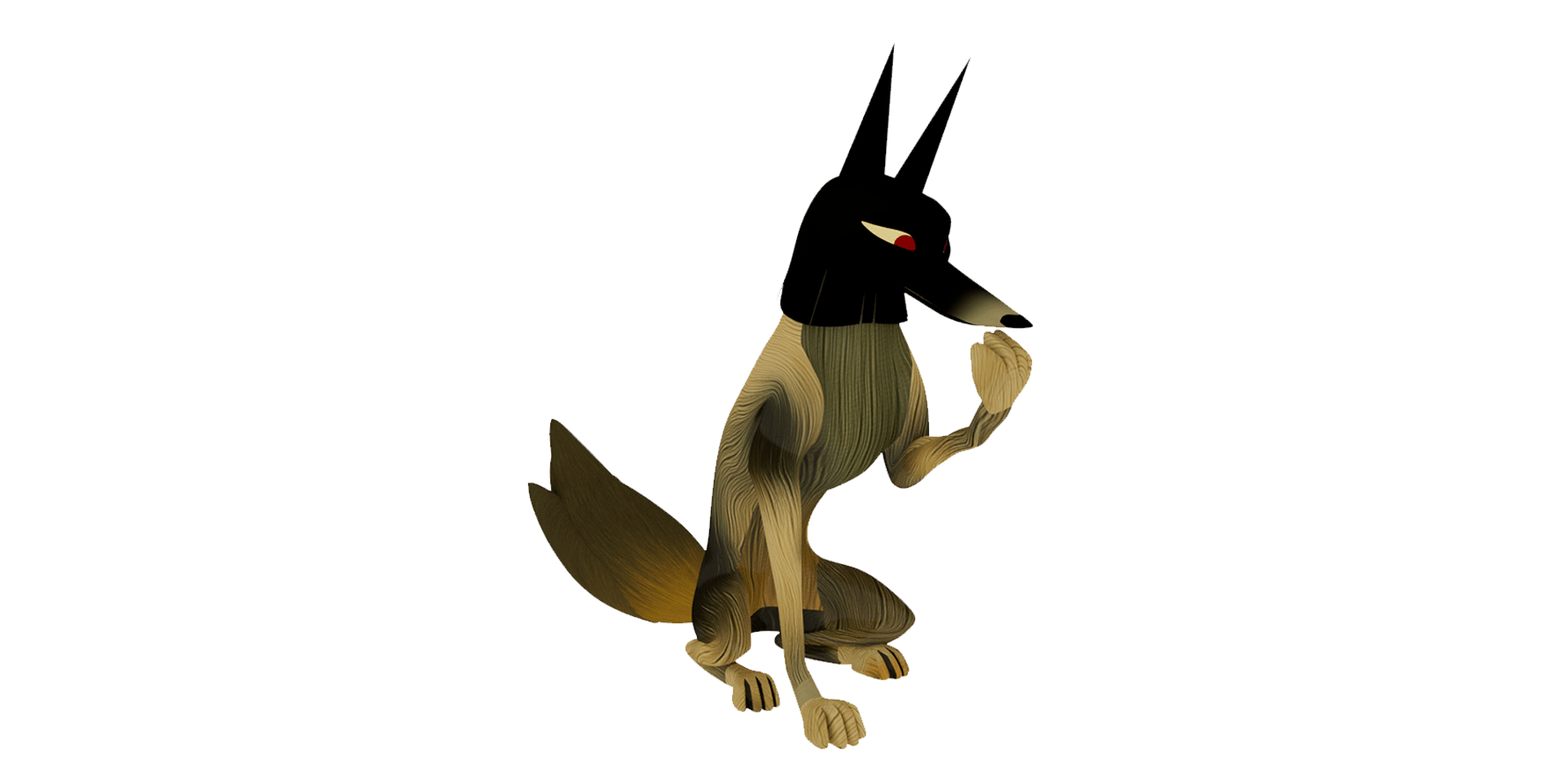
Petlenuc Pundit: You got {number correct}/{number of questions} correct answers
Hey, good job on that quiz. You definitely picked up on some of the little details from the tour. If you wanna learn more about the Native American elements of the tour try the scavenger hunt in the Presidio Visitor’s Center right next door. Or dive into the “True Story” in the next section.

Petlenuc Professional: You got {number correct}/{number of questions} correct answers
Wow, you really remembered a lot of details from the tour. Congratulations!
Go find yourself a cake pop and celebrate (as Coyote would.)
If you wanna learn more about the Native American elements of the tour try the scavenger hunt in the Presidio Visitor’s Center right next door. Or dive into the “True Story” in the next section.