What's Your Healthy Eating Personality? 🥦🍇
Curious about your unique approach to food and nutrition? Dive into this quiz to discover your personal diet style and gain insights on how it can help shape better eating habits.
How do you start your day?

When choosing what to eat, what's most important?
Fill in the blank: "When I'm feeling hungry, my go-to snack is _______."
How do you view calorie counting?
What does 'eating out' mean to you?
True or False: I rarely skip meals, even when I'm busy or on the go.

How often do you try new foods or recipes?
On a scale from 1 (never) to 5 (always), how often do you make an effort to cook meals from scratch?
How do you approach meal prepping?
How do you handle being at a party with lots of junk food?
Do you often read nutrition labels before deciding what to eat?
Get your personalized results!
Enter your details below to see your results. You'll also receive exclusive tips and offers straight to your inbox.
The Balanced Foodie ⚖️
Congratulations, you're a Balanced Foodie! This means you have a healthy relationship with food, enjoying a variety of flavors and textures while keeping nutritional balance in mind.
To enhance your already balanced approach, consider experimenting with new recipes that incorporate seasonal produce. Also, mindfulness during meals can further deepen your appreciation of food. Lastly, don't forget the importance of hydration; drinking enough water plays a crucial role in maintaining balance.
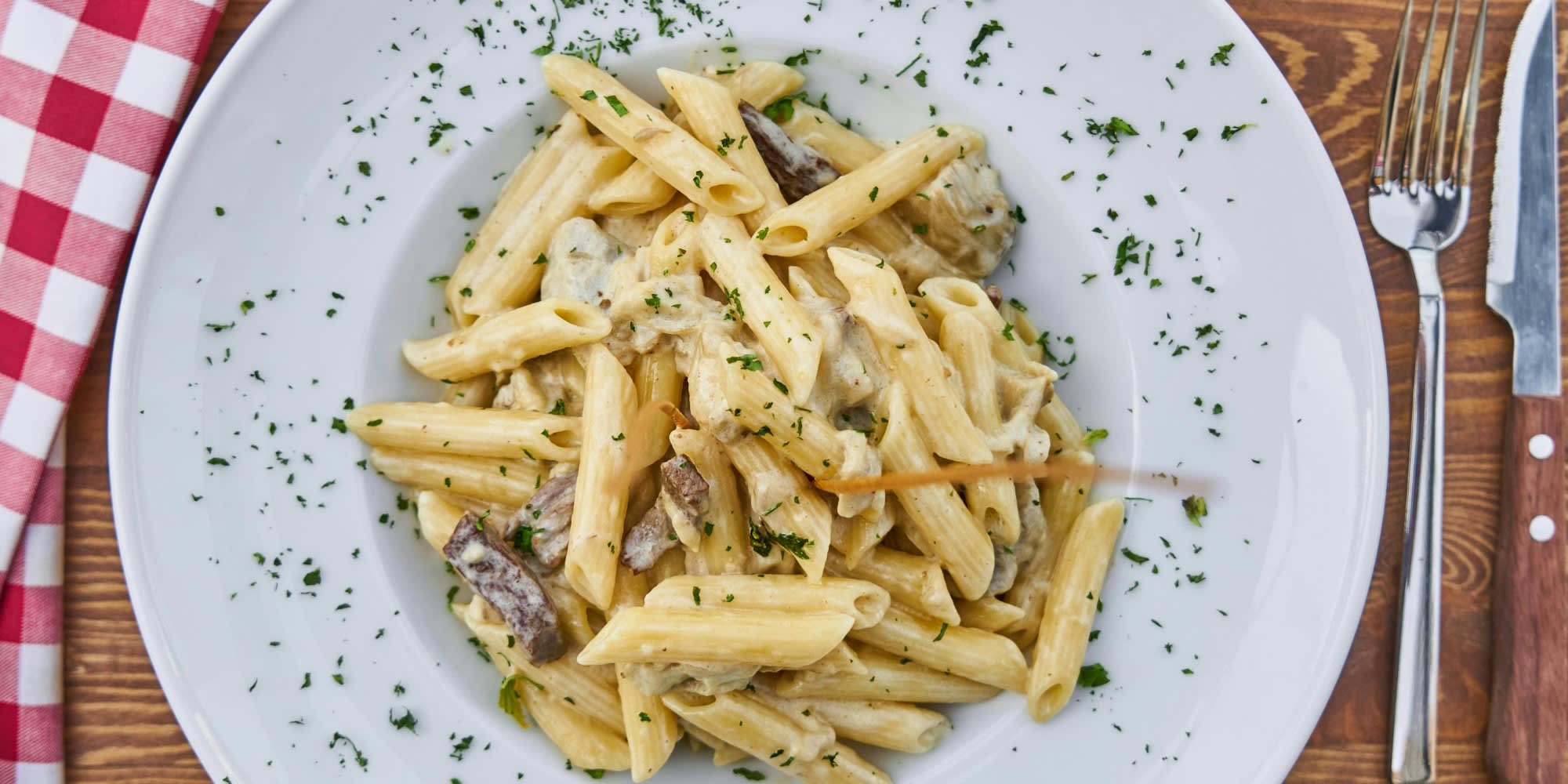
The Fast-Paced Muncher 🌮
As a Fast-Paced Muncher, you're always moving and lean towards quick, convenient meal options. While you keep health in mind, convenience often takes precedence.
To align more closely with your health goals without sacrificing speed, try prepping meals in advance for the week. This way, you can ensure you're getting nutritious foods that fit your busy lifestyle. Also, consider stocking up on healthy snacks that can keep you fueled on the go. Small changes, like choosing whole foods over processed ones, can make a big difference in your overall well-being.
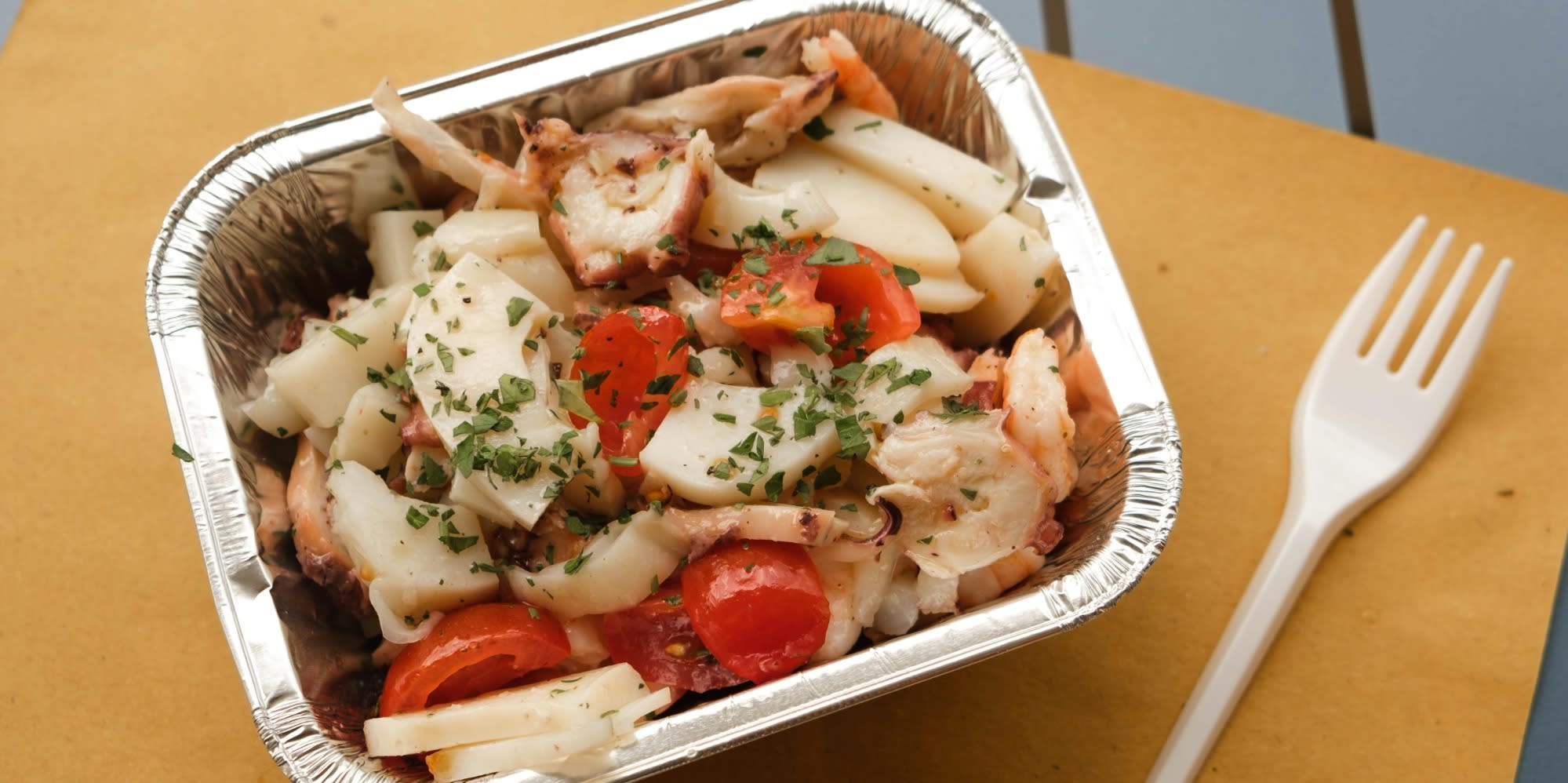
The Health Guru 🍎
As a Health Guru, whole foods and clean eating aren't just habits for you; they're your mantras. You're well-informed about nutrition and always prioritize your health, even over the convenience of processed foods.
To continue thriving as a Health Guru, exploring a variety of nutrient-dense foods can add excitement to your clean eating journey. Consider experimenting with international cuisines that emphasize fresh, whole ingredients. Additionally, sharing your knowledge and experiences with others could not only enrich your own understanding but also inspire those around you. Remember, even as a guru, there's always room to grow and new health trends to explore.








 Preview